
Introduction
Gold is a color that immediately draws attention.
In kimono, it is often seen as elegant, luxurious, and special.
But in Japanese culture, gold is not only about beauty.
It carries deeper meanings connected to tradition and important occasions.
What does gold represent in Japanese culture?
In Japan, gold has long been associated with:
- Wealth and prosperity
- Celebration and good fortune
- Formal and important occasions
Gold was historically used in temples, art, and ceremonial items.
Because of this, it naturally became a symbol of something precious and meaningful.
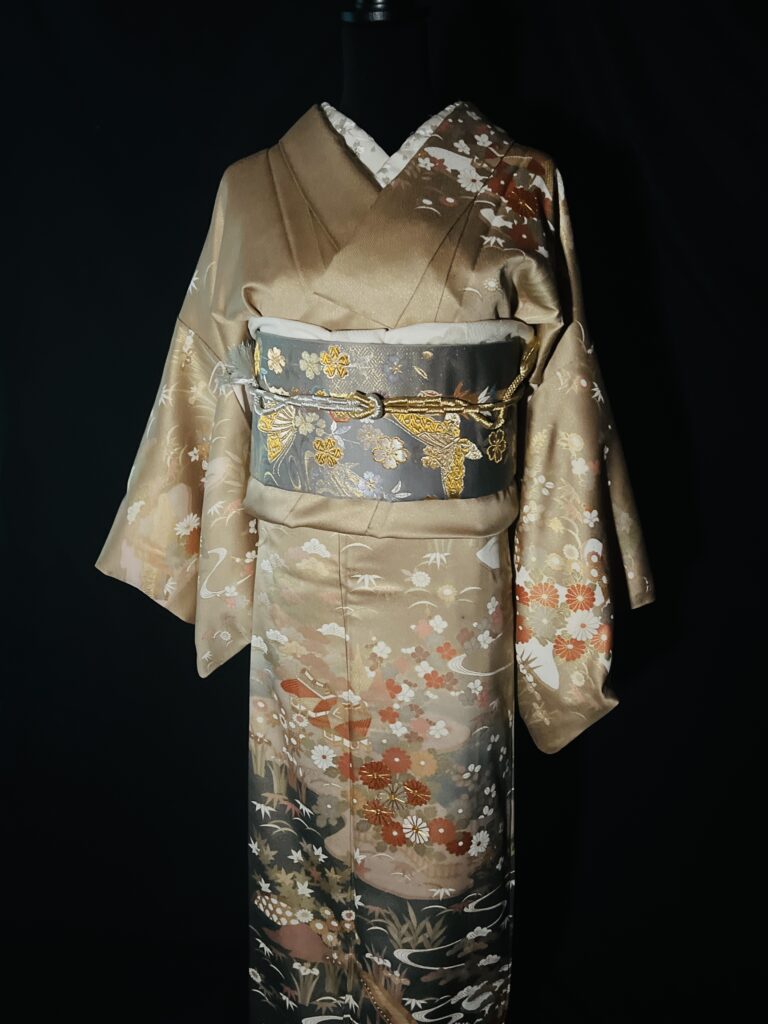
Gold in kimono
When gold appears in kimono, it often reflects:
- A sense of formality
- A special occasion such as weddings or celebrations
- A desire to express elegance and richness
Gold is not usually worn casually.
Instead, it is chosen for moments that deserve attention and respect.
The feeling of gold
Gold in kimono is not only about status.
It also creates a feeling.
- Warmth
- Brightness
- Presence
Even a small amount of gold can change the impression of the entire outfit.
When is gold appropriate?
Gold is often seen in:
- Formal kimono
- Wedding attire
- Celebratory events
In modern times, the rules are softer, but gold still carries a sense of occasion.
Conclusion
Gold in kimono is more than decoration.
It reflects culture, history, and a sense of importance.
Understanding its meaning allows us to appreciate kimono more deeply.
Next Reading
- What Does Pink Mean in Kimono?
- What Does Purple Mean in Kimono?
- What Does Green Mean in Kimono?
- What Does Indigo Blue Mean in Kimono?
- What Does Black Mean in Kimono?
- What Does White Mean in Kimono?
- What Does Orange Mean in Kimono?
Discover the meaning of kimono colors in Japanese culture—from white and black to pink, indigo, gold, and more—each carrying its own symbolism.
alo also creates kimono-inspired dachshund apparel connected to Japanese culture, family stories, and quiet everyday style.
Featured design inspired by traditional Japanese kimono elegance
A design that blends Japanese tradition with a modern, playful spirit.
Related Articles
- Kimono Symbolism: Butterfly and Hemp Leaf Pattern Meanings
- What Is an Obi? A Simple Guide to the Kimono Belt
- Kimono Fabrics: What Are Kimono Made Of?
- Can Anyone Wear a Kimono? A Simple Cultural Guide
- Kimono Seasonal Motifs: Cherry Blossoms and Maple Leaves Meaning
- Kimono Colors Meaning: What Do Colors Represent in Kimono?
Explore the Grandmother’s Kimono Archive
Learn more About alo
※ If you are interested in the meaning behind kimono and how to express it clearly, I also offer gentle support to help organize your ideas.
コメント