Introduction
Color in kimono is more than decoration.
It reflects history, status, and cultural values.
Among all colors, purple holds a particularly special place.
It is often associated with nobility, refinement, and timeless elegance.
In this article, I will explain what purple means in kimono culture and why it continues to represent one of the highest forms of beauty in Japan.
What Does Purple Symbolize in Japan?
In Japanese culture, purple has long been associated with:
- nobility
- status
- refinement
- elegance
- spirituality
Historically, purple was a color that only the elite could wear.
Because of this, it naturally became a symbol of prestige and cultural sophistication.
Purple in Kimono Culture
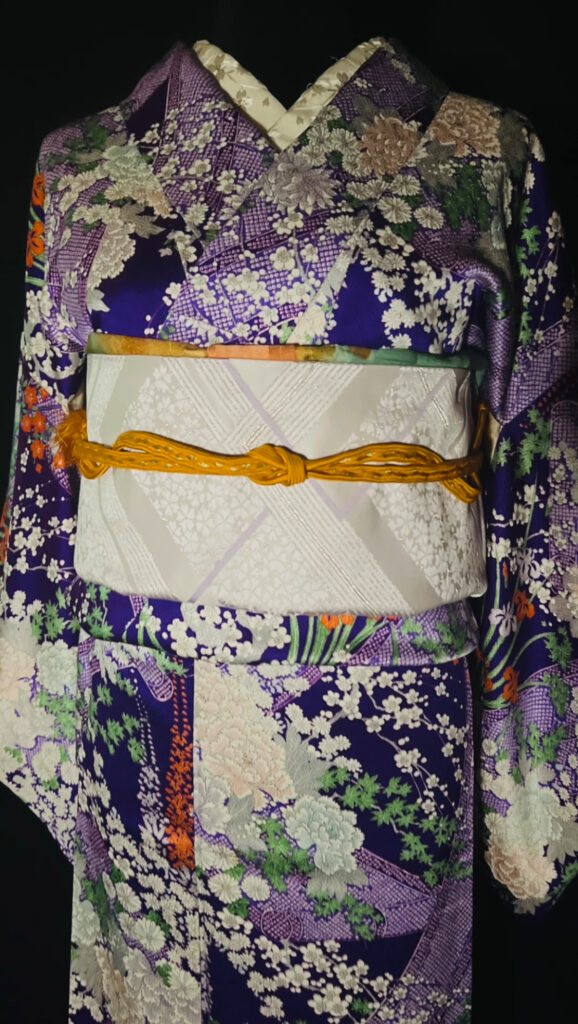
Purple is often used in kimono that express formality and elegance.
Depending on the shade:
- deep purple feels dignified and powerful
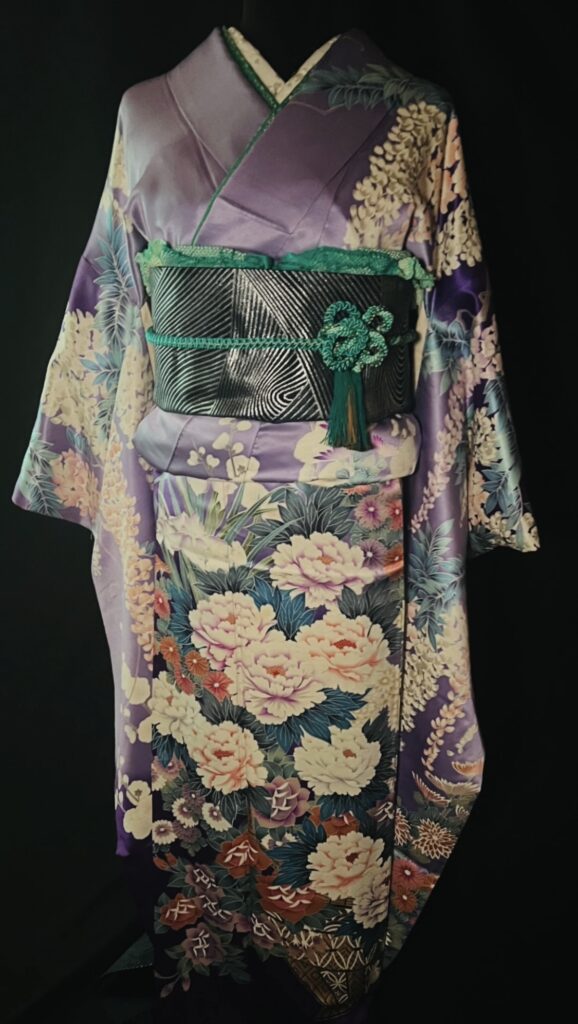
- soft purple feels graceful and refined
- reddish purple feels rich and expressive
Purple adapts to different styles while maintaining a sense of dignity.
Why Purple Feels Luxurious
One reason purple feels luxurious is its history.
In the past, producing purple dye required skill and rare materials.
That made it a color of value.
Even today, purple carries that sense of rarity and cultural depth.
It does not need decoration to feel rich.
The color itself already holds meaning.
Purple and Timeless Beauty
Purple is often described as a “timeless” color.
It does not strongly belong to one season.
Instead, it feels stable, enduring, and classical.
This makes it suitable for kimono that aim to express lasting beauty rather than temporary trends.
Purple in Cultural Context
In kimono, purple is not simply a color of luxury.
It also expresses:
- inner refinement
- quiet confidence
- cultural depth
It represents beauty that comes from history and tradition.
Conclusion
Purple in kimono symbolizes nobility, refinement, and timeless elegance.
It is a color shaped by history, valued for its depth, and admired for its quiet strength.
In kimono culture, purple continues to represent one of the highest forms of beauty.
If you would like to explore more kimono color meanings, you can also read my guide to kimono colors.
Next Reading
- What Does Pink Mean in Kimono?
- What Does Indigo Blue Mean in Kimono?
- What Does Green Mean in Kimono?
- What Does Gold Mean in Kimono?
- What Does Black Mean in Kimono?
- What Does White Mean in Kimono?
- What Does Orange Mean in Kimono?
Discover the meaning of kimono colors in Japanese culture—from white and black to pink, indigo, gold, and more—each carrying its own symbolism.
alo also creates kimono-inspired dachshund apparel connected to Japanese culture, family stories, and quiet everyday style.
Featured design inspired by traditional Japanese kimono elegance
A design that blends Japanese tradition with a modern, playful spirit.
Related Articles
- Kimono Symbolism: Butterfly and Hemp Leaf Pattern Meanings
- What Is an Obi? A Simple Guide to the Kimono Belt
- Kimono Fabrics: What Are Kimono Made Of?
- Can Anyone Wear a Kimono? A Simple Cultural Guide
- Kimono Seasonal Motifs: Cherry Blossoms and Maple Leaves Meaning
- Kimono Colors Meaning: What Do Colors Represent in Kimono?
Explore the Grandmother’s Kimono Archive
Learn more About alo
コメント