Introduction
If you’re new to Japanese clothing, you might wonder:
What is the difference between kimono and yukata?
This guide explains it in a simple and clear way.
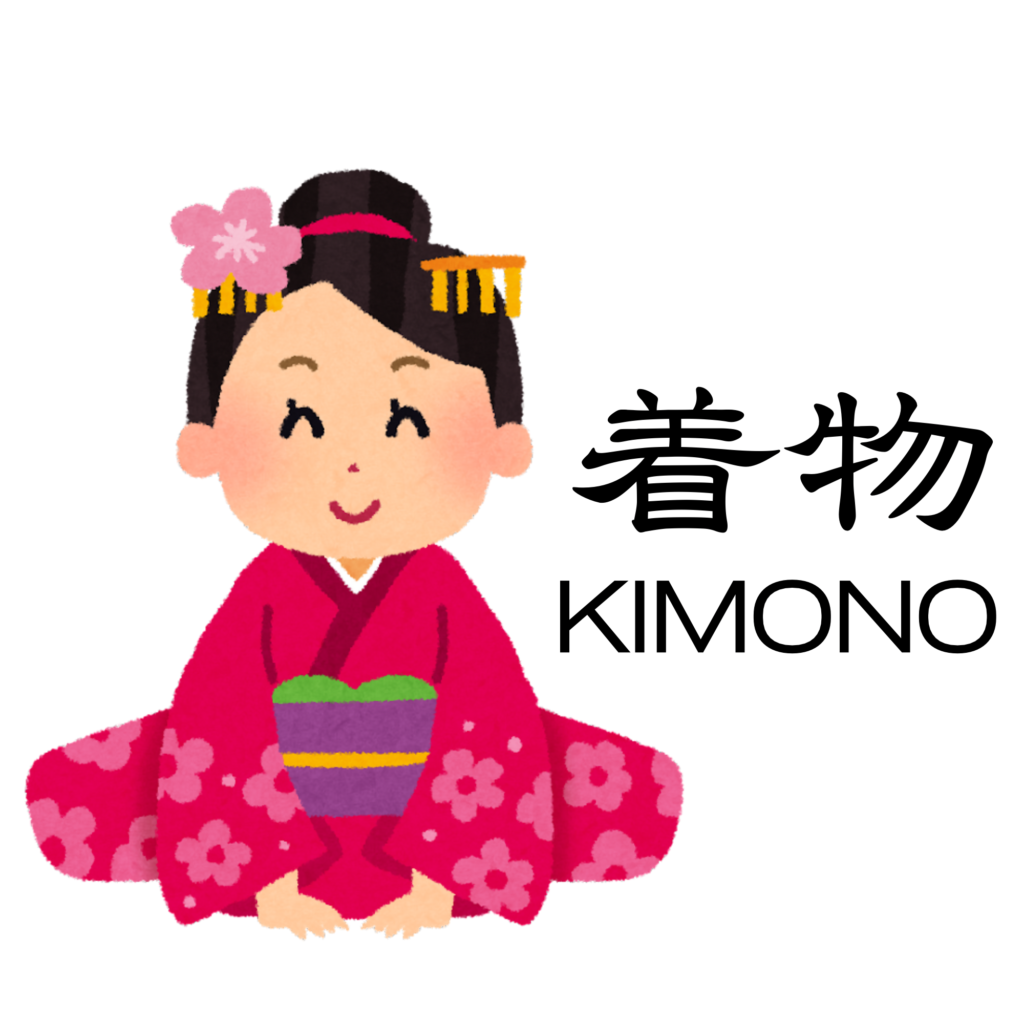
1. What is a Kimono?
A kimono is a traditional Japanese garment worn throughout the year.
It can be:
- Formal (for ceremonies, weddings, formal events)
- Semi-formal
- Casual (for outings or cultural occasions)
Kimono are usually:
- Made of silk or other refined fabrics
- Worn with layers (nagajuban underlayer)
- Styled with structured obi (belt)
Kimono are worn for important occasions or when formality matters.
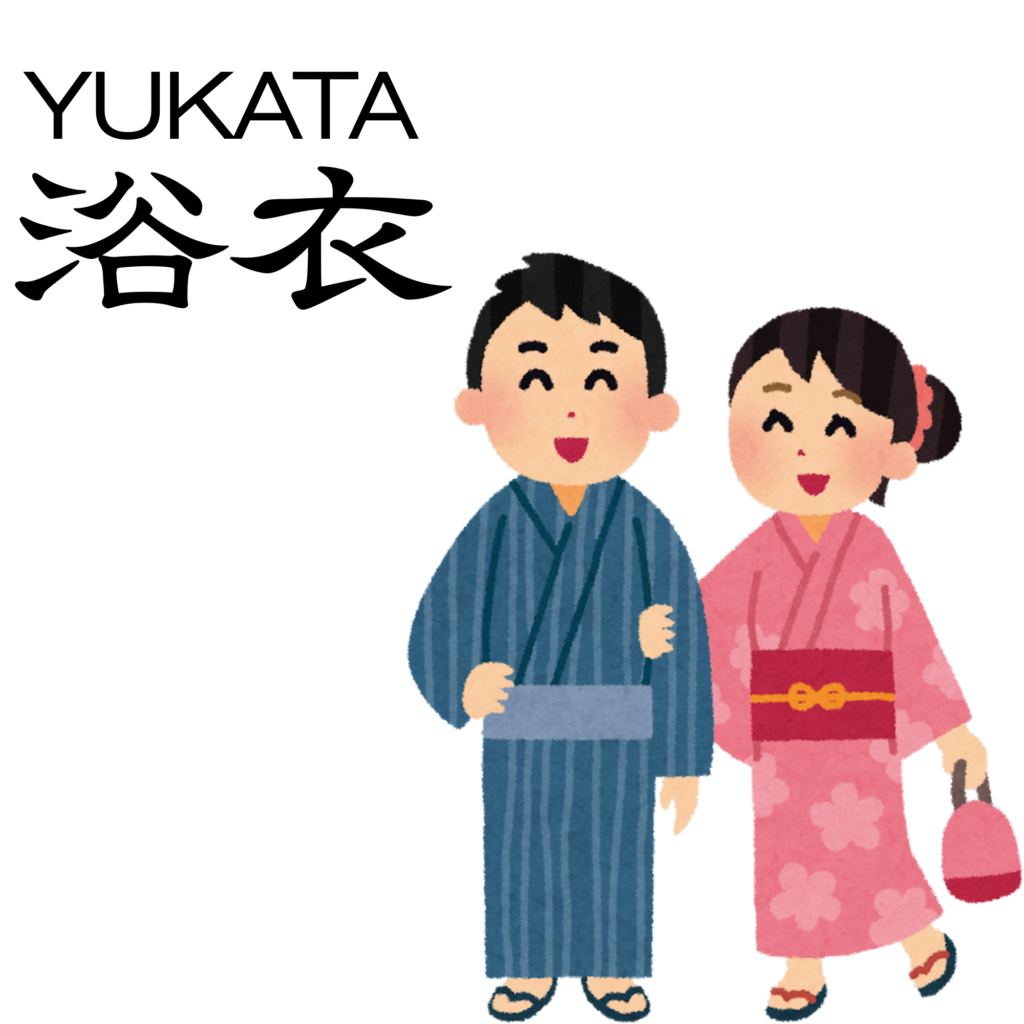
2. What is a Yukata?
A yukata is a lighter, more casual summer garment.
Originally worn after bathing, it is now commonly worn for:
- Summer festivals
- Fireworks events
- Ryokan stays (traditional inns)
Yukata are:
- Made of cotton or lightweight fabric
- Worn without layers
- Styled more casually
Yukata are comfortable, breathable, and seasonal.
3. Key Differences at a Glance
| Kimono | Yukata |
|---|---|
| Worn all year | Worn in summer |
| Can be formal | Casual only |
| Often silk | Usually cotton |
| Worn with underlayer | No underlayer |
| Structured obi | Simpler obi |
4. Is Yukata a Type of Kimono?
Technically, yukata is a category within traditional Japanese clothing.
But in modern understanding, people clearly separate:
- Kimono = formal / structured / layered
- Yukata = casual / summer / light
5. Which Should You Wear?
If you are attending:
- A formal ceremony → Kimono
- A summer festival → Yukata
When in doubt, consider:
- Season
- Formality
- Fabric
- Occasion
6. A Cultural Note
In Japan, kimono is not just clothing.
It reflects season, setting, and intention.
Yukata expresses summer and relaxation.
Kimono expresses formality and refinement.
Both are part of lived culture.
Related Articles
Learn about yukata in one place.
- Kimono Symbolism: Butterfly and Hemp Leaf Pattern Meanings
- What Is an Obi? A Simple Guide to the Kimono Belt
- Kimono Fabrics: What Are Kimono Made Of?
- Can Anyone Wear a Kimono? A Simple Cultural Guide
- Kimono Seasonal Motifs: Cherry Blossoms and Maple Leaves Meaning
- Kimono Colors Meaning: What Do Colors Represent in Kimono?
Explore real kimono from my grandmother’s collection:
→ Grandmother’s Kimono Archive
Learn more about alo:
→ About alo
コメント