Introduction
There are many different types of kimono, especially for women.
Each type has its own level of formality and is worn for specific occasions.
At first, it may seem complicated, but once you understand the basics, it becomes much easier.
What You’ll Learn
- The main types of kimono for women
- The differences between each type
- When each kimono is worn
Main Types of Kimono for Women
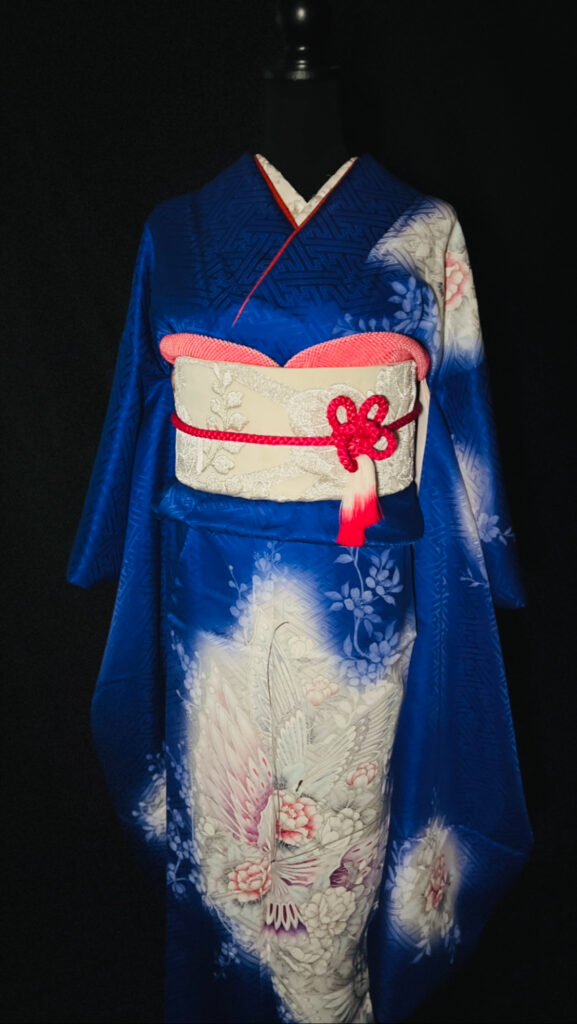
1. Furisode
Furisode is the most formal kimono for unmarried women.
It has long, flowing sleeves and colorful, elegant designs.
It is typically worn for special occasions such as Coming of Age ceremonies and weddings.
2. Tomesode
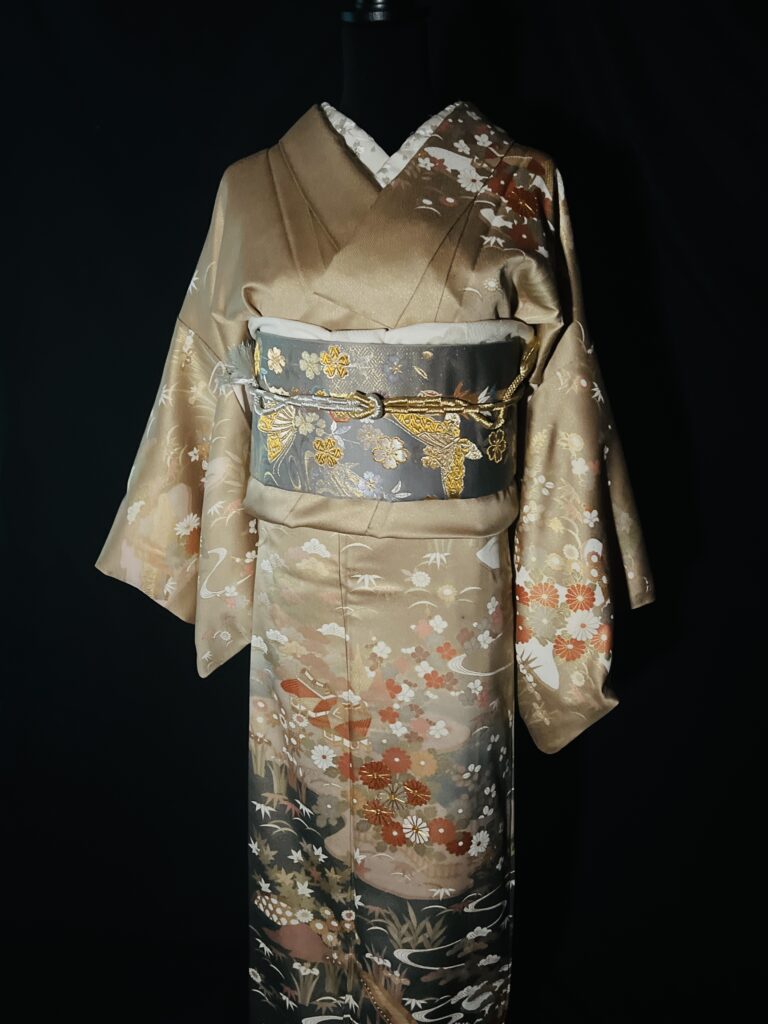
Tomesode is a formal kimono for married women.
There are two main types: black tomesode and colored tomesode.
It is often worn by family members at weddings.
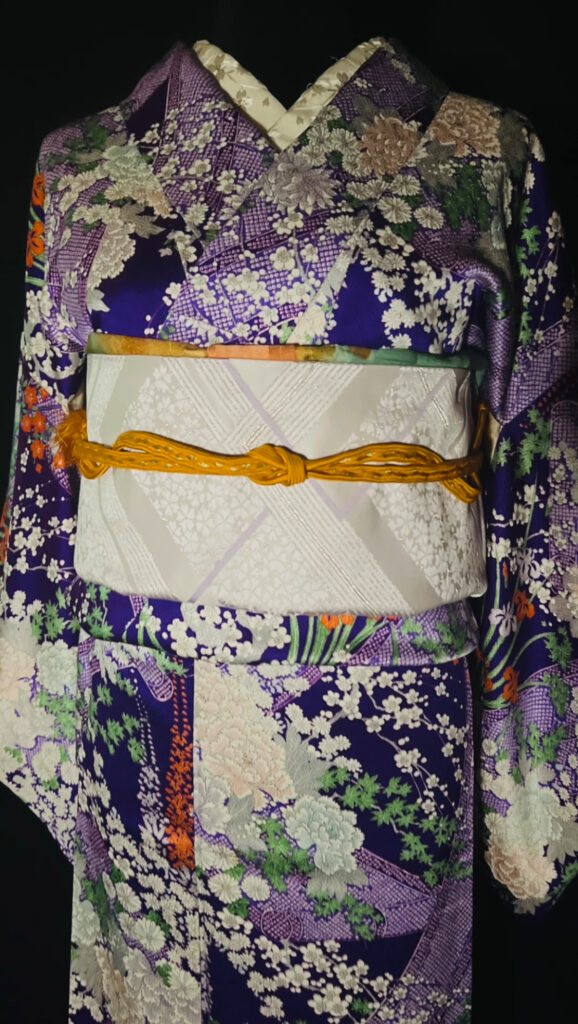
3. Homongi
Homongi is a semi-formal kimono suitable for a wide range of occasions.
Its patterns flow across the seams, creating a continuous design.
It is commonly worn at parties, formal gatherings, or as a guest at weddings.4. Tsukesage
Tsukesage is similar to homongi but more subtle and understated.
The patterns are simpler and placed more modestly.
It is suitable for semi-formal outings and refined occasions.
5. Iromuji
Iromuji is a single-colored kimono with a simple and elegant look.
The level of formality depends on whether it has a family crest.
It is often worn for tea ceremonies or formal events.
6. Komon
Komon features repeating patterns across the entire fabric.
It is considered a casual kimono.
It is perfect for everyday wear, dining out, or casual outings.
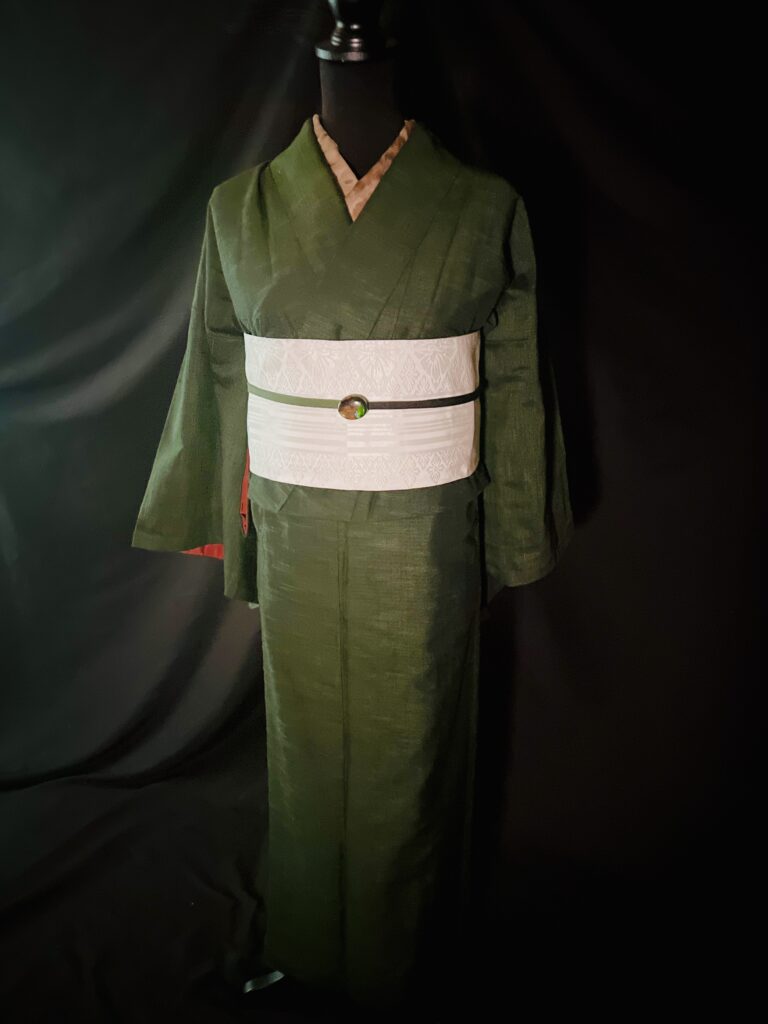
7. Tsumugi
Tsumugi is a woven kimono known for its textured and natural feel.
It is traditionally worn as everyday clothing.
It has a relaxed and comfortable style.
8. Yukata
Yukata is a lightweight cotton kimono worn in summer.
It is easy to wear and commonly seen at festivals and fireworks events.
Simple Overview
If you’re unsure, remember this:
- Furisode, Tomesode → Formal
- Homongi, Tsukesage, Iromuji → Semi-formal
- Komon, Tsumugi, Yukata → Casual
Kimono are chosen based on the occasion rather than just appearance.
If you want to see all different types of kimono, check this guide:
→ Types of Kimono Explained
A Gentle Perspective
Today, kimono rules are more flexible than in the past.
You don’t need to follow every rule perfectly.
If you’re unsure, choosing something simple and elegant is always a good approach.
Next Reading
Explore
Explore real kimono from my grandmother’s collection:
→ Grandmother’s Kimono Archive
Learn more about alo:
→ About alo

コメント