Introduction
There are many different types of kimono in Japan, and each type is worn for a different occasion.
Some are formal, some are semi-formal, and others are casual.
This simple guide explains the main types of kimono in a beginner-friendly way.
→ New to kimono? Start here: Kimono vs Yukata
Key Point
Kimono types are mainly divided by formality.
Formal kimono
Formal kimono are worn for important ceremonies and celebrations.
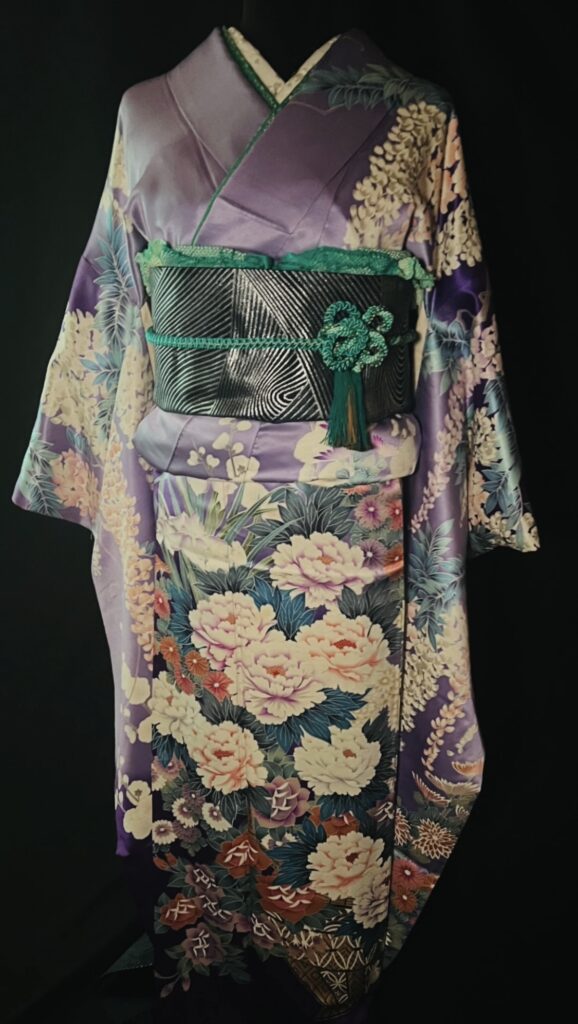
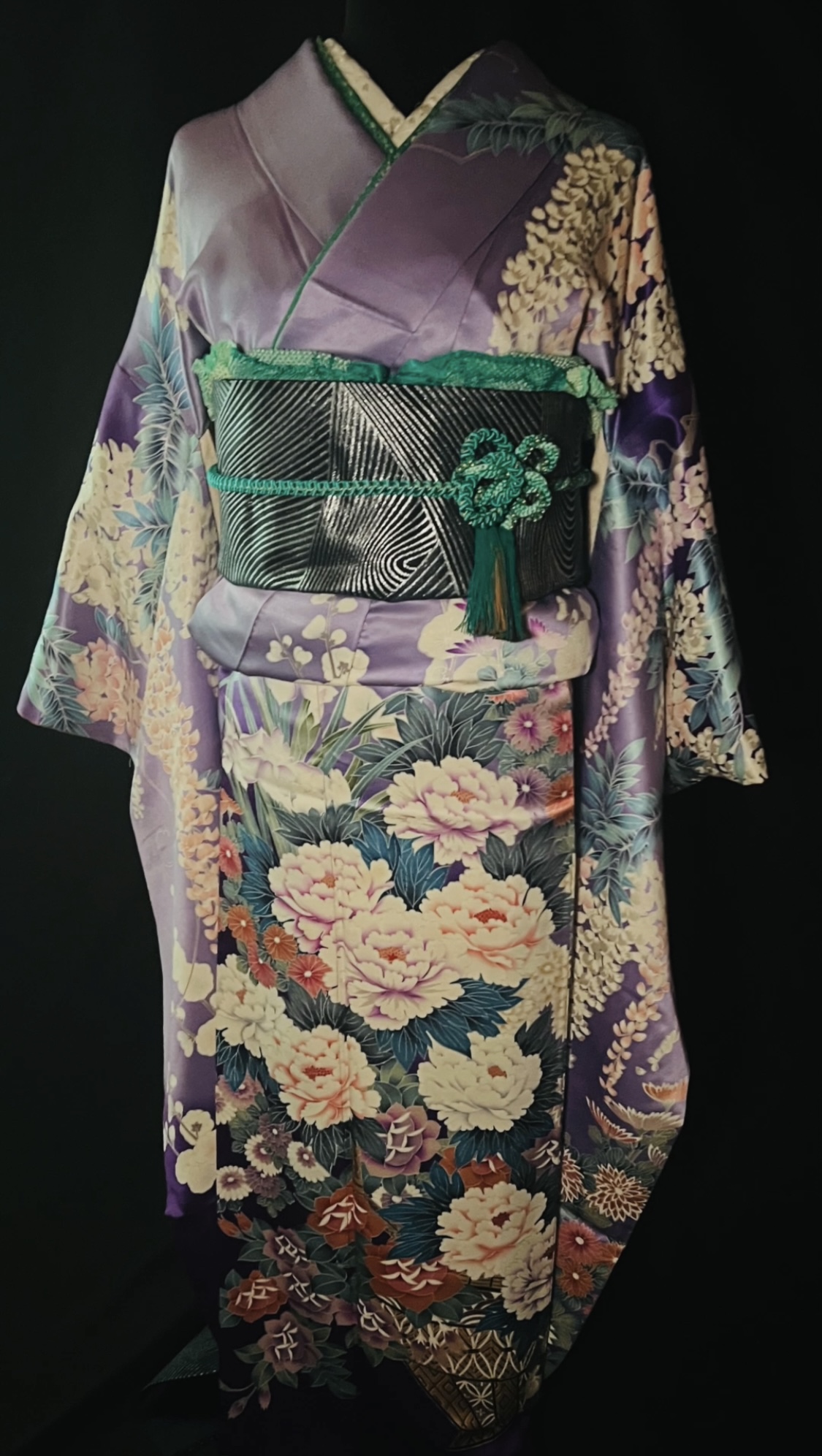
Furisode
→ for unmarried women (very formal)
Furisode are the most formal kimono for unmarried women.
They are often worn at coming-of-age ceremonies and weddings.
The long sleeves are the most recognizable feature.
Tomesode
→ for married women (formal)
Tomesode are formal kimono traditionally worn by married women.
They are commonly worn at weddings by mothers or close relatives of the bride and groom.
Houmongi
→ visiting kimono
Houmongi are elegant kimono with flowing patterns.
They can be worn for formal occasions such as parties, ceremonies, and celebrations.
Semi-formal kimono
Semi-formal kimono are suitable for occasions that are slightly formal but not strictly ceremonial.
Tsukesage
→ a semi-formal kimono with more subtle and simpler patterns than Homongi
Tsukesage are slightly more modest than houmongi.
They are often worn for gatherings, dinners, or cultural events.
Iromuji
→ simple, single-color kimono
Iromuji are single-colored kimono without patterns.
When a family crest is added, they become more formal and may be worn for tea ceremonies or formal gatherings.
Casual kimono
Casual kimono are worn for everyday outings and relaxed occasions.
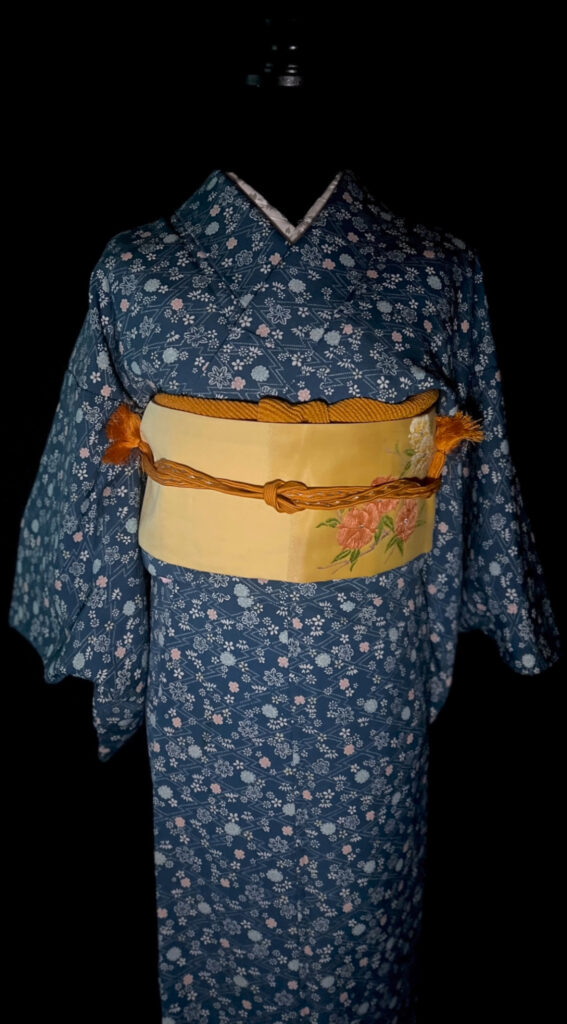
Komon
→ repeating pattern
Komon kimono feature repeating patterns across the entire garment.
They are popular for casual outings and social events.
Tsumugi
→ textured silk
Tsumugi are woven kimono known for their natural texture and relaxed style.
They are commonly worn as casual everyday kimono.
Yukata
→ summer cotton kimono
Yukata are lightweight cotton garments worn during summer festivals.
They are the most casual form of traditional Japanese clothing.
Understanding kimono culture
Each type of kimono reflects different levels of formality and cultural meaning.
By understanding the types of kimono, it becomes easier to appreciate the beauty and traditions of Japanese culture.
If you want to learn more about kimono for women, see:
→ Women’s Kimono Types Explained
A Gentle Perspective
Today, kimono rules are more flexible than in the past.
You don’t need to follow strict traditions perfectly.
If you’re unsure, choose a simple and elegant style.
Next Reading
Start here if you’re new:
• What Is an Obi
→ Learn the basic structure
• Kimono vs Yukata
→ Understand the difference
• Can Anyone Wear a Kimono?
→ Cultural perspective
Explore
Explore real kimono from my grandmother’s collection:
→ Grandmother’s Kimono Archive
Learn more about alo:
→ About alo
コメント