Introduction
One of the first things many people notice about kimono is the sleeves.
Some kimono have short sleeves, while others have long, flowing sleeves that move beautifully when the wearer walks.
Why are kimono sleeves so long?
The answer involves history, fashion, and even emotions.
Not All Kimono Have Long Sleeves
Many people imagine all kimono with long sleeves.
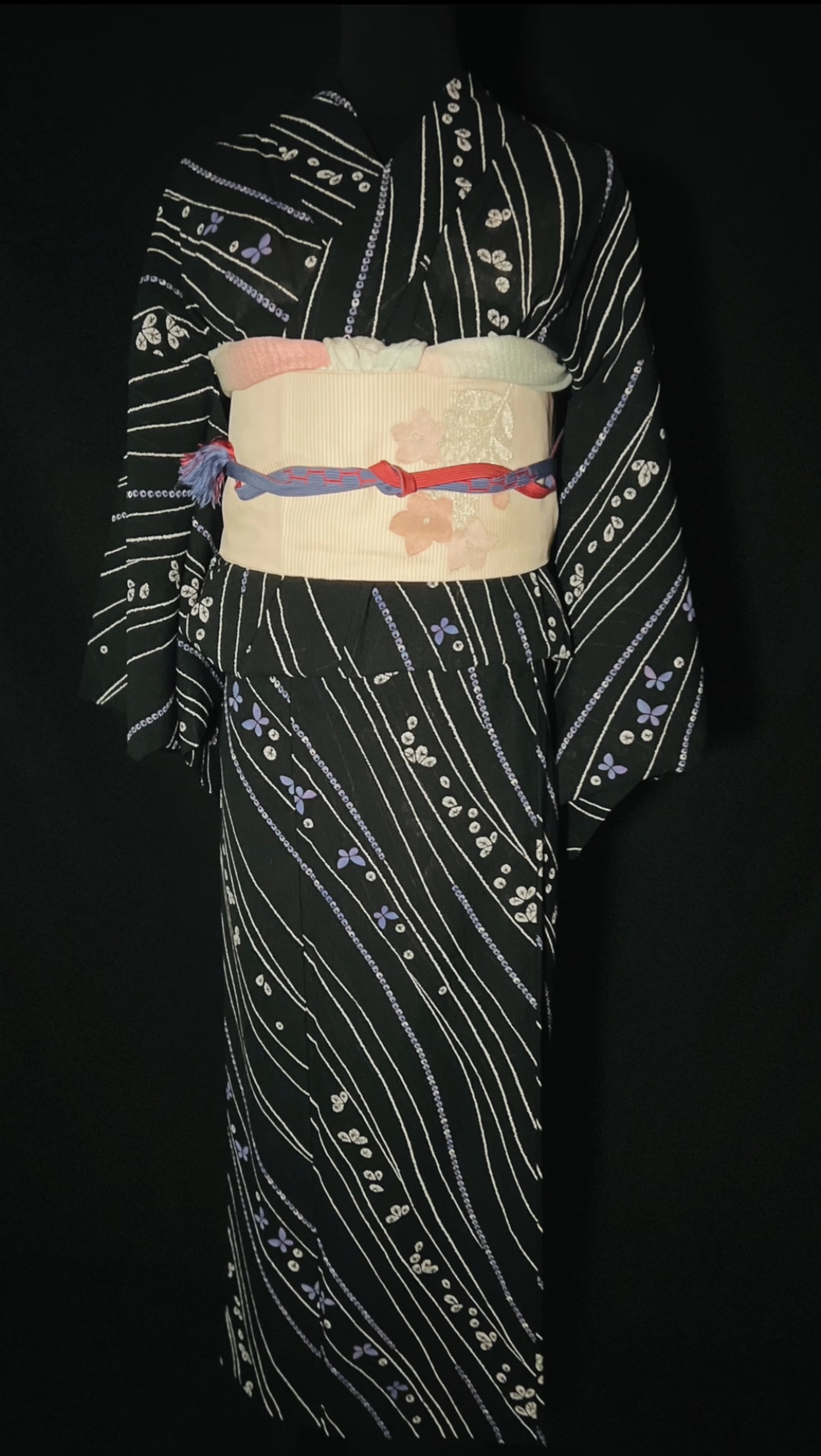
However, sleeve length varies depending on the type of kimono.
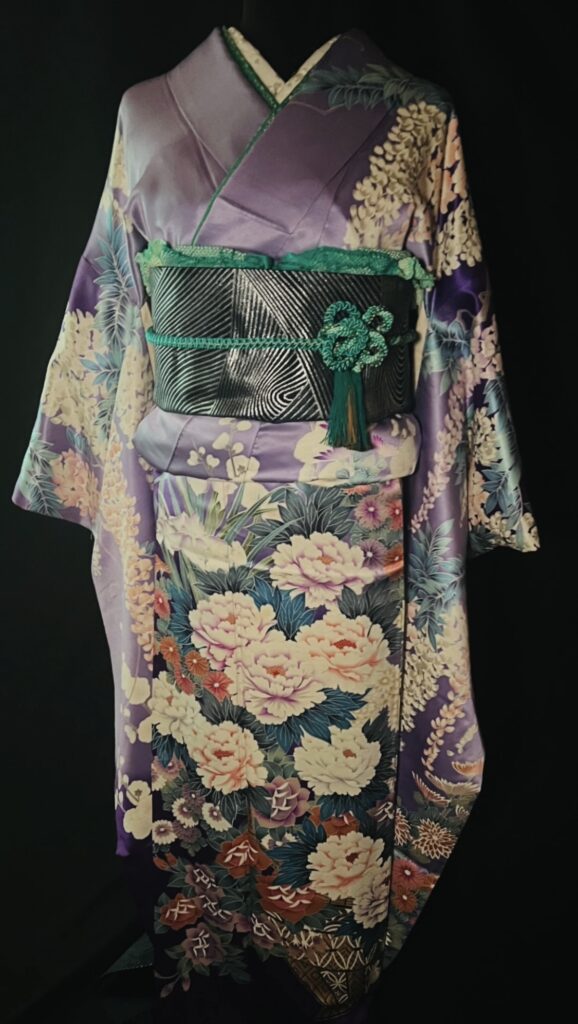
The most famous example is the furisode, a formal kimono traditionally worn by unmarried women.
Its sleeves are especially long and elegant.
Sleeves Once Expressed Feelings
In the past, sleeves were more than decoration.
There was a cultural belief that emotions could be expressed through sleeve movements.
People would wave or move their sleeves to communicate feelings, especially in stories, dances, and traditional performances.
This connection between sleeves and emotions remains part of Japanese cultural memory.
Why Are Furisode Sleeves So Long?
The word “furisode” literally means “swinging sleeves.”
Long sleeves create graceful movement and make formal occasions feel more elegant.
Today, furisode are often worn for Coming of Age Day ceremonies, weddings, and other special events.
A Beautiful Part of Kimono Design
Long sleeves are not only symbolic.
They also highlight the beauty of kimono fabrics, colors, and patterns.
When the wearer moves, the sleeves create a flowing and graceful silhouette.
This is one reason why kimono continue to fascinate people around the world.
Final Thoughts
The next time you see a kimono, pay attention to the sleeves.
They are not simply a design choice.
They carry history, symbolism, and a unique sense of beauty that has been part of Japanese culture for generations.
コメント