Introduction
A kimono is a traditional Japanese garment worn in many styles—from formal ceremonial clothing to casual everyday wear. Today, kimono are worn for celebrations, cultural events, and sometimes as modern fashion.
What is a kimono?
A kimono is a traditional Japanese garment characterized by its T-shaped structure, long sleeves, and wrap-style design. The garment is worn by wrapping the left side over the right and securing it with a wide belt called an obi.
Kimono have been an important part of Japanese culture for centuries and are known for their elegant appearance, seasonal patterns, and symbolic meanings.
What does the word “kimono” mean?
The word kimono literally means “a thing to wear.”
Historically, the word referred broadly to clothing. Over time, however, it became associated specifically with traditional Japanese garments.
Today, the term kimono represents not only clothing but also a cultural symbol of Japan.
A very short history of kimono
Kimono evolved over many centuries in Japan.
Originally, garments with similar shapes were worn as everyday clothing.
During the Edo period (1603–1868), kimono styles became more refined, with distinct designs, fabrics, and levels of formality.
As Western clothing became more common in modern Japan, kimono gradually shifted from everyday wear to garments used mainly for special occasions.
What are kimono made of?
Kimono can be made from a variety of materials.
Common fabrics include:
- Silk
- Cotton
- Wool
- Modern synthetic fabrics
Formal kimono are often made from silk, while casual kimono and yukata are commonly made from cotton.
Types of kimono
Kimono vary in formality and purpose.
Examples include:
Formal kimono
- Furisode
- Tomesode
- Houmongi
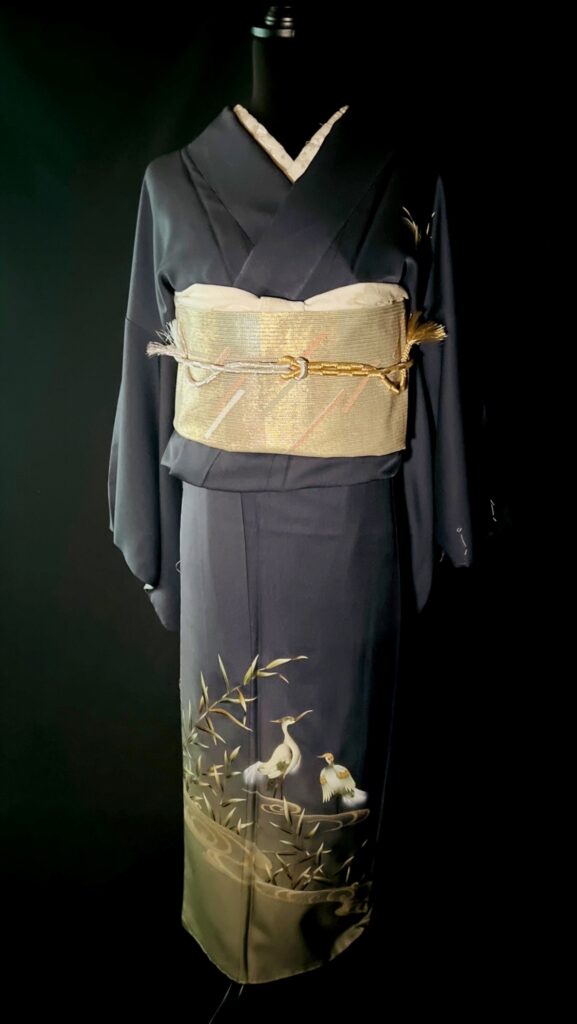
Casual kimono
- Komon
- Tsumugi
- Yukata
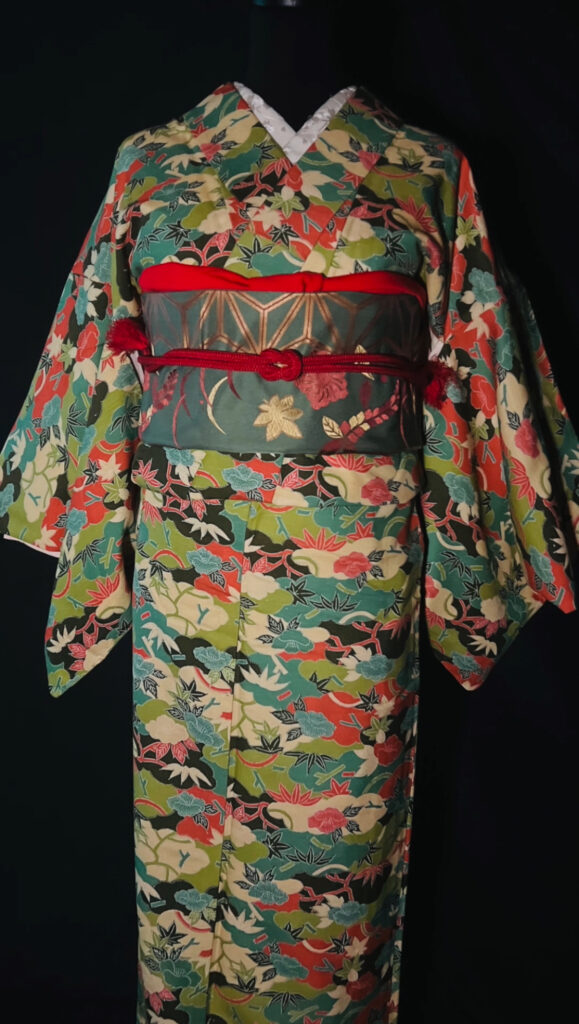
Each type is chosen depending on the occasion and the level of formality required.
When do people wear kimono today?
In modern Japan, kimono are worn mainly for special events such as:
- Weddings
- Coming-of-age ceremonies
- Graduation ceremonies
- Festivals
- Cultural experiences
Many people also enjoy wearing kimono as a way to appreciate traditional culture.
Kimono vs Yukata
Yukata are often considered a casual type of kimono-style clothing.
Quick difference:
Yukata are lightweight cotton garments usually worn in summer, while kimono can range from casual to highly formal garments worn throughout the year.
Is it okay for foreigners to wear kimono?
Yes. Many people in Japan appreciate when visitors show interest in traditional culture.
Wearing kimono respectfully and with curiosity is generally welcomed and can be a wonderful way to experience Japanese culture.
Final thoughts
Kimono are more than traditional clothing. They represent history, craftsmanship, seasonal beauty, and cultural identity.
Understanding the basics of kimono can help you appreciate Japanese culture in a deeper and more meaningful way.
Related Articles
- Kimono Symbolism: Butterfly and Hemp Leaf Pattern Meanings
- What Is an Obi? A Simple Guide to the Kimono Belt
- Kimono Fabrics: What Are Kimono Made Of?
- Can Anyone Wear a Kimono? A Simple Cultural Guide
- Kimono Seasonal Motifs: Cherry Blossoms and Maple Leaves Meaning
- Kimono Colors Meaning: What Do Colors Represent in Kimono?
Explore the Grandmother’s Kimono Archive
Learn more About alo
コメント