Introduction
For as long as I can remember,
I have always been drawn to quiet things.
It does not mean I dislike bold colors or expressive fashion.
In fact, I love strong shades like red and green,
and I often wear striking patterns in my daily life.
But when it comes to spaces,
small objects,
and Japanese culture,
I have always felt comfort in silence and subtle beauty.
Looking back now,
I think this attraction to quietness became part of my personality itself.
Quietness Was Never “Empty”
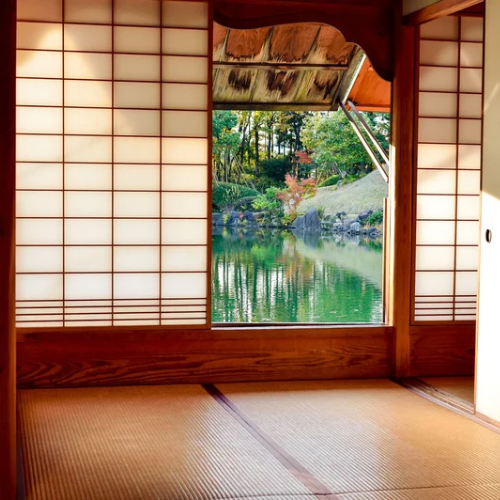
Japanese culture has long valued the idea of space and restraint.
Not everything is filled.
Not everything is explained.
There is room for:
- light
- air
- emotion
- imagination
- seasons
to quietly exist.
I believe that is why Japanese aesthetics often feel calm and timeless.
The beauty is not only in what is shown,
but also in what is intentionally left unsaid.
Feeling Safe in Quiet Spaces
I have always needed moments of solitude.
It is not because I dislike people.
I enjoy conversations,
temporary encounters,
and warm connections.
But I also need distance,
silence,
and space to breathe.
Perhaps that is why I naturally became attached to quiet beauty.
Looking back,
it may have been my way of protecting myself.
The Quiet Beauty of Kimono
When I look at my grandmother’s kimono,
I feel a kind of beauty that does not need to shout.
For example:
- the soft shine of silk
- colors that gently overlap
- patterns that reveal the seasons
- details hidden inside sleeves and linings
- the movement of fabric while walking
Kimono often carry elegance through subtlety.
I think I have always felt comfort in that quiet atmosphere.
Why Quiet Beauty Matters Today
Modern life is filled with constant information and stimulation.
Social media,
advertisements,
and endless noise surround us every day.
That may be why many people today are once again drawn to:
- calm spaces
- muted colors
- minimal beauty
- slow living
- quiet aesthetics
Perhaps silence itself has become something precious.
What I Want to Preserve Through alo
I do not believe everyone must wear kimono.
But I do hope that the quiet beauty within Japanese culture will survive into the future.
That is one reason why I continue documenting my grandmother’s kimono.
Not only the garments themselves,
but also the atmosphere,
the sensitivity,
and the Japanese sense of beauty they carry.
Through alo,
I hope to preserve that quiet feeling for the future.
Related Articles
- Kimono Symbolism: Butterfly and Hemp Leaf Pattern Meanings
- What Is an Obi? A Simple Guide to the Kimono Belt
- Kimono Fabrics: What Are Kimono Made Of?
- Can Anyone Wear a Kimono? A Simple Cultural Guide
- Kimono Seasonal Motifs: Cherry Blossoms and Maple Leaves Meaning
- Kimono Colors Meaning: What Do Colors Represent in Kimono?
Explore the Grandmother’s Kimono Archive
Learn more About alo
コメント