Introduction
Yukata is one of the most familiar traditional Japanese garments worn during summer.
It is often seen at festivals and fireworks events, and is known as a more casual and accessible form of kimono.
In this article, we will explain what yukata is, how it differs from kimono, its key features, and when it is typically worn.
What is Yukata?
Yukata is a casual summer garment in Japan.
Originally, it was worn after bathing as a lightweight robe, but today it is commonly used as an outfit for summer outings.
Yukata is usually made of cotton or linen, making it breathable and comfortable in hot weather.
Difference Between Yukata and Kimono
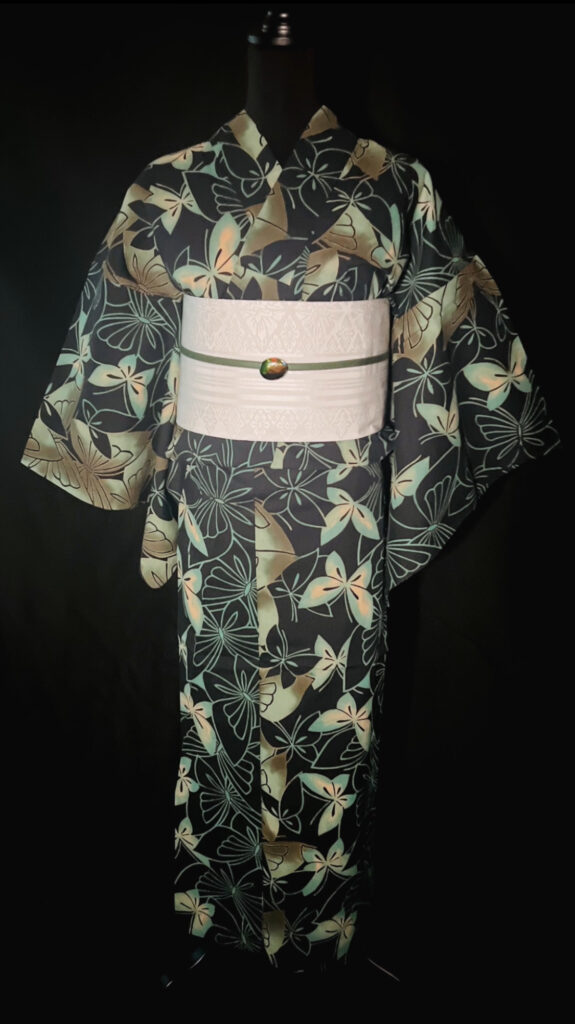
The main difference between yukata and kimono is their level of formality and usage.
- Yukata: casual wear (summer festivals, relaxed outings)
- Kimono: ranges from formal to casual depending on type and occasion
Yukata is typically unlined and simpler to wear, often paired with easy-to-tie obi belts.
Features of Yukata
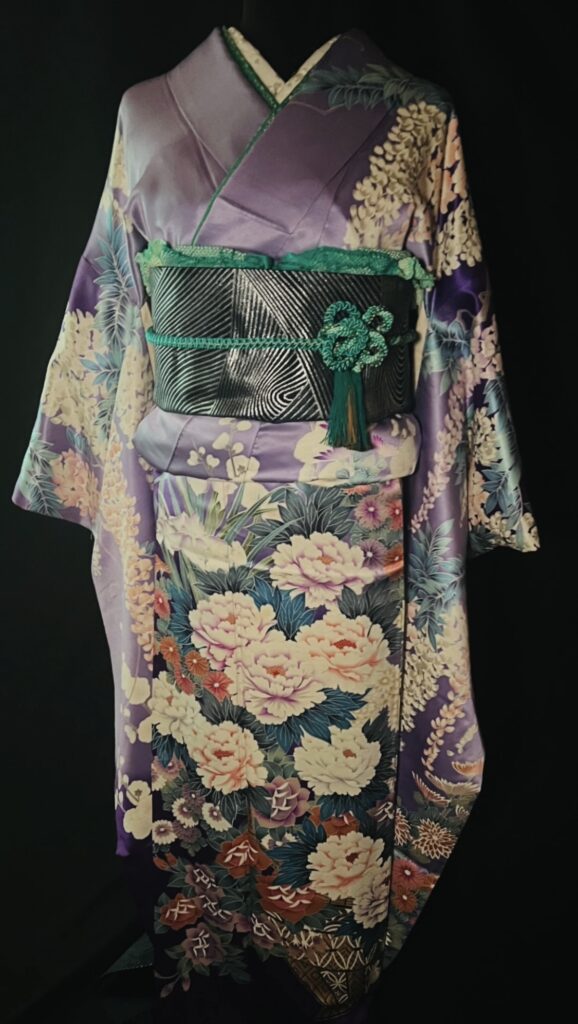
Yukata has several distinctive features:
- Lightweight and breathable materials (cotton or linen)
- Simple structure, usually worn without inner layers
- Casual and easy to wear
- Bright or seasonal patterns
Because of its simplicity, yukata is often considered an entry point into traditional Japanese clothing.
When to Wear Yukata
Yukata is typically worn in casual summer settings such as:
- Summer festivals
- Fireworks displays
- Ryokan (traditional inns)
- Casual summer outings
It is not suitable for formal occasions, but perfect for enjoying Japanese seasonal culture.
Conclusion
Yukata is a casual and enjoyable form of traditional Japanese clothing, especially during summer.
Understanding the difference between yukata and kimono makes it easier to appreciate and wear them naturally.
Related Articles
Learn about yukata in one place.
- Kimono Symbolism: Butterfly and Hemp Leaf Pattern Meanings
- What Is an Obi? A Simple Guide to the Kimono Belt
- Kimono Fabrics: What Are Kimono Made Of?
- Can Anyone Wear a Kimono? A Simple Cultural Guide
- Kimono Seasonal Motifs: Cherry Blossoms and Maple Leaves Meaning
- Kimono Colors Meaning: What Do Colors Represent in Kimono?
Explore the Grandmother’s Kimono Archive
Learn more About alo
コメント