Introduction
Blue is one of the most elegant and calming colors used in kimono.
It can feel cool and refined,
yet also deeply expressive depending on the shade.
From soft pale blue to deep indigo,
this color carries both beauty and meaning in Japanese culture.
In this article, we’ll explore the meaning of blue in kimono and how it is used.
What You’ll Learn
- The meaning of blue in kimono
- How different shades change the impression
- When blue is commonly worn
- Tips for styling blue elegantly
The Meaning of Blue
In kimono, blue often represents:
- Calmness
- Purity
- Intelligence
- Cleanliness
It is a color that feels balanced and composed,
making it suitable for a wide range of occasions.
The Role of Blue in Kimono
A Color of Balance and Elegance
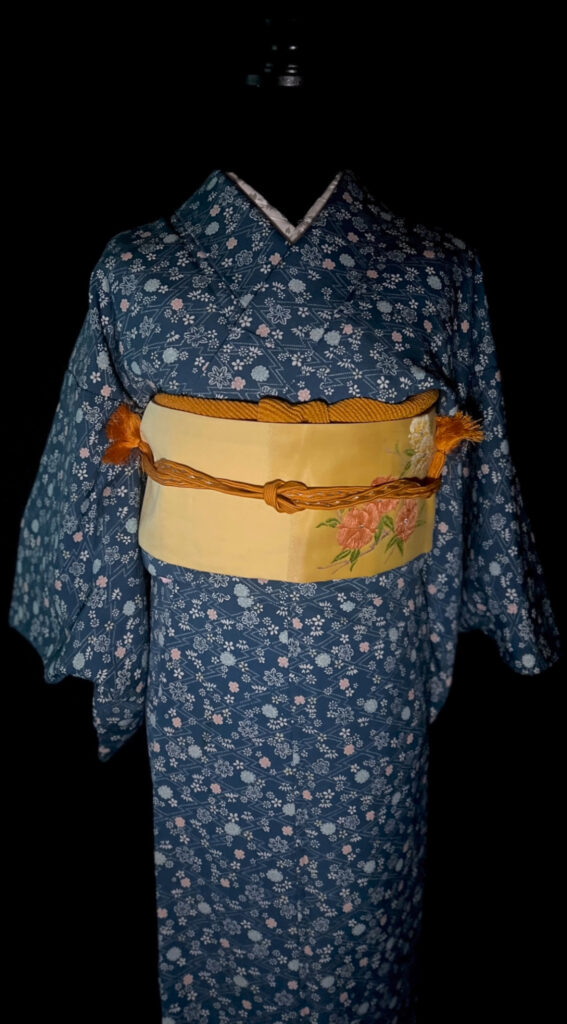
Blue is neither too bold nor too soft,
which makes it easy to wear.
It is commonly used in:
- Komon (casual kimono)
- Yukata (summer kimono)
- Furisode (formal kimono)
- Houmongi (semi-formal kimono)
👉 Blue works in both casual and formal settings.
A Perfect Background for Patterns
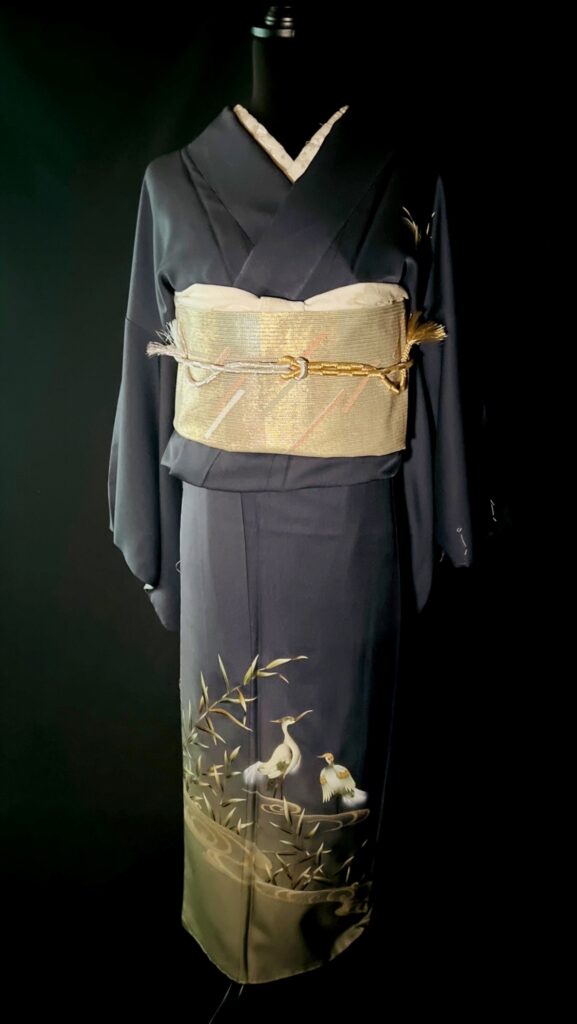
Blue is often used as a base color.
It allows patterns such as:
- Flowers
- Birds
- Seasonal motifs
to stand out clearly.
👉 It enhances contrast without being overpowering.
Shades of Blue and Their Impressions
Light Blue
- Soft and gentle
- Youthful and fresh
Deep Blue / Indigo
- Calm and mature
- Elegant and refined
Bright Blue
- Eye-catching
- Modern and bold
👉 The shade changes everything.
When Is Blue Worn?
Blue is a very versatile color and can be worn:
- In daily outings
- At casual gatherings
- At formal occasions (depending on design)
Unlike gold or red,
blue is not limited to specific events.
How to Style Blue Elegantly
1. Use Contrast
Pair blue with:
- White (clean look)
- Red (strong contrast)
- Gold (elegance)
2. Keep Balance in Patterns
Since blue is calm,
you can choose more detailed patterns without making it overwhelming.
3. Choose the Right Shade
Lighter blues for a soft impression,
darker blues for a more refined and mature look.
Blue in Modern Kimono
Today, blue is one of the most popular colors.
It is often chosen for:
- First-time kimono wearers
- Minimal and elegant styling
- Everyday kimono fashion
👉 Blue is both safe and stylish.
Conclusion
Blue is a timeless and versatile color in kimono.
It brings calmness, elegance, and clarity,
while allowing patterns to shine.
Because of its balance,
it remains one of the most loved colors in kimono culture.
Next Reading
- What Does Pink Mean in Kimono?
- What Does Purple Mean in Kimono?
- What Does Green Mean in Kimono?
- What Does Gold Mean in Kimono?
- What Does Black Mean in Kimono?
- What Does Indigo Blue Mean in Kimono?
- What Does Orange Mean in Kimono?
Discover the meaning of kimono colors in Japanese culture—from white and black to pink, indigo, gold, and more—each carrying its own symbolism.
alo also creates kimono-inspired dachshund apparel connected to Japanese culture, family stories, and quiet everyday style.
Featured design inspired by traditional Japanese kimono elegance
A design that blends Japanese tradition with a modern, playful spirit.
Related Articles
- Kimono Symbolism: Butterfly and Hemp Leaf Pattern Meanings
- What Is an Obi? A Simple Guide to the Kimono Belt
- Kimono Fabrics: What Are Kimono Made Of?
- Can Anyone Wear a Kimono? A Simple Cultural Guide
- Kimono Seasonal Motifs: Cherry Blossoms and Maple Leaves Meaning
- Kimono Colors Meaning: What Do Colors Represent in Kimono?
Explore the Grandmother’s Kimono Archive
Learn more About alo
コメント