Introduction
One of the most fascinating aspects of kimono is that the patterns often change with the seasons.
Cherry blossoms appear in spring.
Maple leaves appear in autumn.
Snow motifs appear in winter.
But why does this tradition exist?
The answer reveals an important part of Japanese aesthetics.
Nature Has Always Been Part of Daily Life
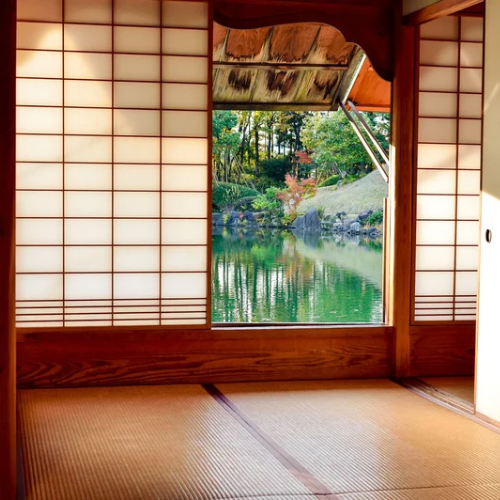
For centuries, Japanese culture has maintained a close connection with nature.
Rather than separating daily life from the seasons, people found ways to celebrate seasonal changes through art, food, gardens, and clothing.
Kimono became one of those expressions.
Wearing the Season
Traditional kimono patterns often reflect the current season or the season that is about to arrive.
For example:
- Cherry blossoms for spring
- Hydrangeas for early summer
- Autumn grasses and maple leaves for autumn
- Snowflakes and winter flowers for winter
This creates a visual connection between clothing and nature.
Looking Slightly Ahead
An interesting detail is that many kimono wearers choose patterns that anticipate the next season.
Instead of wearing cherry blossoms after they have fully bloomed, people may wear them just before or during the beginning of the season.
This reflects a Japanese appreciation for subtle seasonal transitions.
More Than Decoration
Kimono patterns are not simply decorative.
They often express seasonal awareness, personal taste, and cultural values.
A single motif can carry meanings that go beyond its appearance.
Final Thoughts
The next time you see a kimono, look closely at the pattern.
You may discover that it tells a story about the season, nature, and the unique way Japanese culture appreciates the passing of time.
コメント