Introduction
Brown may appear simple at first glance, but in Japanese culture, it carries deep warmth and quiet sophistication.
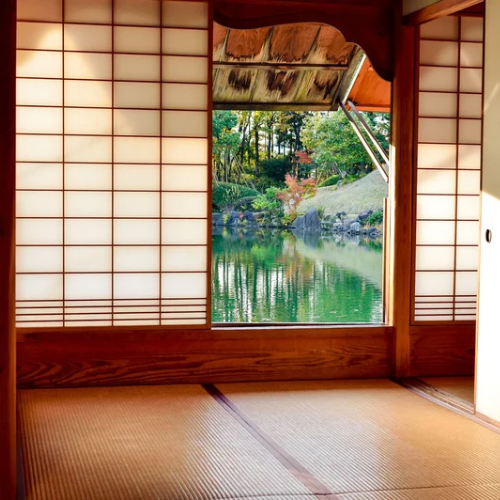
Traditional brown tones in kimono are often connected to nature, earth, wood, tea culture, and understated elegance.
Rather than standing out loudly, brown expresses calm beauty through subtle depth and balance.
In this article, we’ll explore the meaning of brown in Japanese culture, its role in kimono traditions, and why earthy tones continue to feel timeless and refined.
What You’ll Learn
- The meaning of brown in Japanese culture
- Brown tones used in kimono
- The connection between brown and nature
- Brown in tea culture and traditional aesthetics
- Why understated colors are valued in Japan
- The elegance of earthy tones in kimono fashion
What Does Brown Symbolize in Japan?
In Japanese culture, brown is often associated with:
- nature
- earth
- warmth
- calmness
- maturity
- simplicity
- quiet refinement
Brown tones feel grounded and natural rather than flashy or decorative.
This subtle elegance reflects traditional Japanese aesthetics, where beauty is often found in restraint and harmony.
Brown and Traditional Japanese Life
Brown has long been connected to daily life in Japan.
Wooden architecture, tea utensils, bamboo, natural fibers, and earthy materials all influenced traditional Japanese color preferences.
Because of this, brown became associated with comfort, familiarity, and natural beauty.
Even today, earthy colors continue to play an important role in Japanese design and fashion.
Brown in Kimono Culture
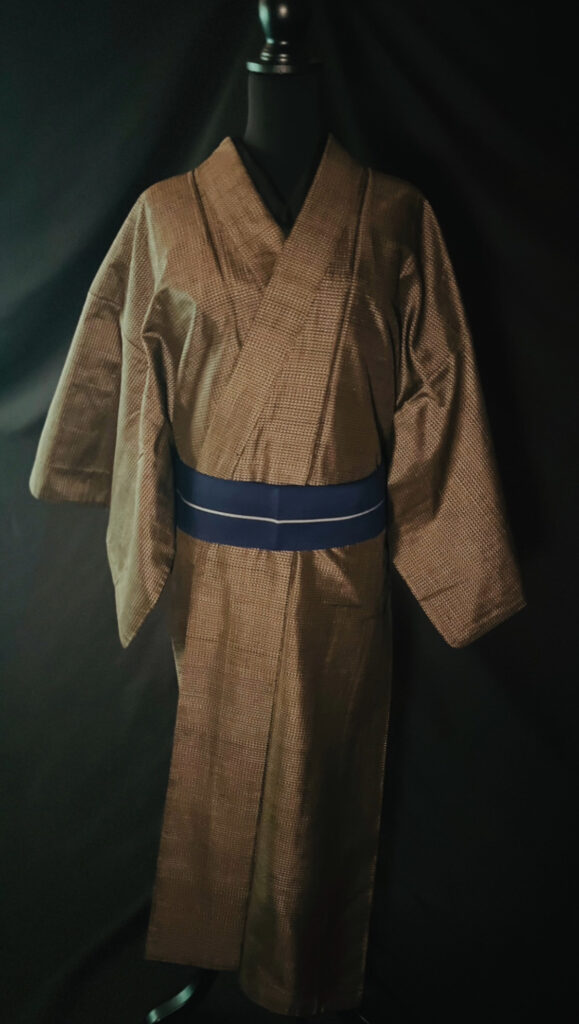
Brown kimono tones often create a sophisticated and mature atmosphere.
Rather than appearing plain, these colors can feel deeply elegant when paired with subtle patterns and textures.
Brown is especially appreciated for:
- autumn aesthetics
- natural coordination
- understated beauty
- timeless style
Soft browns, deep cocoa tones, and smoky earthy shades are commonly used in refined kimono styling.
The Beauty of Simplicity
One important aspect of Japanese aesthetics is the appreciation of subtle beauty.
Brown represents this idea beautifully.
It does not try to dominate attention.
Instead, its charm slowly becomes more noticeable through texture, balance, and atmosphere.
This quiet elegance is part of what makes traditional Japanese colors so unique.
Brown and Tea Culture
Brown also connects strongly to Japanese tea culture.
Tea utensils, wooden interiors, and natural materials often feature earthy tones that create a calm and peaceful atmosphere.
These colors help express ideas such as:
- harmony
- simplicity
- mindfulness
- natural beauty
This aesthetic influence can also be seen in kimono styling.
Why Earth Tones Feel Timeless
Many modern fashion trends come and go, but earthy tones remain timeless.
Brown works beautifully because it feels stable, calming, and versatile.
It pairs naturally with:
- beige
- cream
- indigo
- muted greens
- soft gray tones
This balance between simplicity and elegance is one reason brown remains beloved in Japanese aesthetics.
alo Perspective on Brown
From an alo perspective, brown represents warmth and quiet depth.
It may not be the loudest color, but it creates a feeling of calm comfort that gently stays in people’s memories.
Brown reflects the beauty of simplicity, natural textures, and timeless Japanese elegance.
Fixed Footer
Kimono rules and formality are much more flexible today than they were in the past.
Rather than focusing on strict perfection, modern kimono culture often values thoughtfulness, elegance, and respect for the occasion.
When in doubt, choosing a refined and understated style is usually a safe and beautiful approach.
Next Reading
- What Does Pink Mean in Kimono?
- What Does Purple Mean in Kimono?
- What Does Green Mean in Kimono?
- What Does Gold Mean in Kimono?
- What Does Black Mean in Kimono?
- What Does Indigo Blue Mean in Kimono?
- What Does Orange Mean in Kimono?
Discover the meaning of kimono colors in Japanese culture—from white and black to pink, indigo, gold, and more—each carrying its own symbolism.
alo also creates kimono-inspired dachshund apparel connected to Japanese culture, family stories, and quiet everyday style.
Featured design inspired by traditional Japanese kimono elegance
A design that blends Japanese tradition with a modern, playful spirit.
Explore
Explore real kimono from my grandmother’s collection:
→ Grandmother’s Kimono Archive
Learn more about alo:
→ About alo

コメント