Introduction
Summer kimono are known for their lightness and elegance,
reflecting a unique Japanese sense of seasonal beauty.
In this article, we’ll explain the basics of summer kimono,
including types, seasons, and how they differ from yukata.
What You’ll Learn
- What a summer kimono is
- The difference between hitoe and sheer kimono
- When to wear them
- Differences from yukata
What Is a Summer Kimono?
A summer kimono is worn during the warmer months,
typically from early summer to mid-summer.
They are designed with breathable fabrics and sheer textures,
allowing both visual and physical comfort in hot weather.
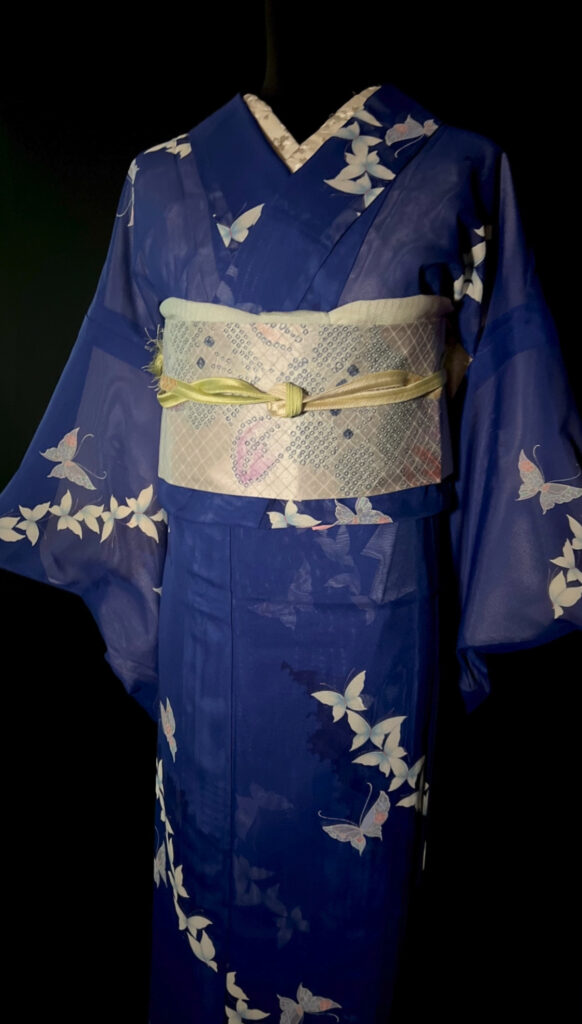
Types of Summer Kimono
Hitoe (Unlined Kimono)
Worn mainly in June and September.
Lightweight and suitable for transitional seasons.
Usumono (Sheer Kimono)
Worn during peak summer (July–August).
Common types include:
- Ro (絽)
- Sha (紗)
These fabrics allow airflow and create a cool appearance.
When to Wear Summer Kimono
- Late May to June: Hitoe
- July to August: Sheer kimono
- September: Back to hitoe
Today, many people choose kimono based on actual temperature rather than strict seasonal rules.
Dressing according to the heat of the day is considered both natural and elegant.
Difference Between Kimono and Yukata
Yukata is often confused with summer kimono.
- Yukata: casual, cotton, worn directly on the skin
- Summer kimono: more formal, worn with undergarments
In short, yukata is for relaxed occasions,
while summer kimono is for more refined settings.
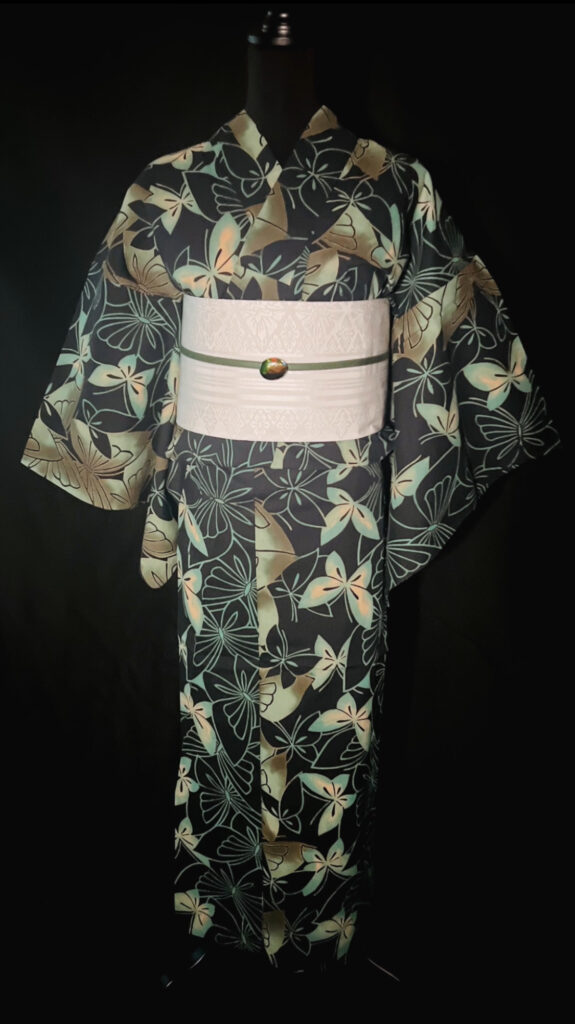
Tips for a Cool Appearance
- Choose light or cool-toned colors
- Use sheer fabrics
- Keep accessories minimal and light
Visual coolness is an important part of summer kimono styling.
Conclusion
Summer kimono are more than seasonal clothing—
they represent the Japanese concept of “wearing coolness.”
With just a bit of knowledge,
you can enjoy kimono in a deeper and more meaningful way.
Related Articles
Learn about yukata in one place.
- Kimono Symbolism: Butterfly and Hemp Leaf Pattern Meanings
- What Is an Obi? A Simple Guide to the Kimono Belt
- Kimono Fabrics: What Are Kimono Made Of?
- Can Anyone Wear a Kimono? A Simple Cultural Guide
- Kimono Seasonal Motifs: Cherry Blossoms and Maple Leaves Meaning
- Kimono Colors Meaning: What Do Colors Represent in Kimono?
Explore the Grandmother’s Kimono Archive
Learn more About alo
※ If you are interested in the meaning behind kimono and how to express it clearly, I also offer gentle support to help organize your ideas.
コメント