japanese culture

Kimono Guides in English

Why Do Kimono Have So Many Layers?

Why do kimono have so many layers underneath? Learn why kimono use undergarments, cords, and multiple layers in this beginner-friendly guide.
alo-kimono

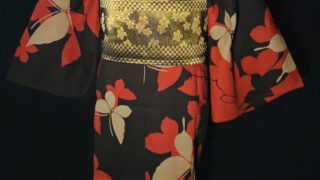
祖母の浴衣 No.023|黒地に花と蝶が映えるセパレート浴衣【綿】

黒地にオレンジの花と黄色の蝶が大胆に描かれたセパレートタイプの綿浴衣を紹介。黒金の半幅帯との組み合わせや、レトロモダンな魅力をやさしく解説します。
Kimono Guides in English

Why Are Traditional Kimonos Symmetrical?

Why are traditional kimonos almost perfectly symmetrical? Discover the practical and cultural reasons behind this unique feature of Japanese clothing.
Kimono Guides in English

Why Can Traditional Kimonos Be Taken Apart and Remade?

Did you know a kimono can be completely taken apart and sewn again? Discover how traditional kimono are designed to be remade, resized, and passed down through generations.
Kimono Guides in English

What Do You Wear Under a Kimono? Understanding Kimono Undergarments and Body Shaping

Learn what is worn under a kimono, including hadajuban, nagajuban, kimono bras, and body shaping techniques. Discover why a smooth silhouette is important in traditional kimono dressing.
Kimono Guides in English

How Is a Kimono Made From One Roll of Fabric?

How can a kimono be made from a single roll of fabric? Discover the traditional Japanese fabric called tanmono and how it shapes kimono design.
Kimono Guides in English

What Does Yellow Mean in Kimono? Symbolism, Style & Elegant Use

Discover the meaning of yellow in kimono. Learn how this soft and bright color represents warmth, light, and elegance in Japanese fashion.
alo-kimono

夏着物とは?種類・着る時期・浴衣との違いをやさしく解説

夏着物とは?単衣・薄物の違いや着る時期、浴衣との違いを初心者にもわかりやすく解説。涼しく美しく着こなすための基本知識を紹介します。
Kimono Guides in English

Why Are Kimonos Made From Straight Pieces of Fabric?

Why are kimonos made from straight pieces of fabric instead of curved patterns? Discover the practical and cultural reasons behind this unique Japanese design.
Kimono Guides in English

What Do You Wear Under a Kimono? Understanding Traditional Kimono Layers

Discover what Japanese people traditionally wear under a kimono, including hadajuban, nagajuban, kimono, and haori. Learn how kimono layers work and why they can feel warm.