Introduction
For many people discovering kimono, one question appears quickly:
Are all kimono the same?
The answer is no.
Kimono have different levels of formality, and each type is worn in different situations.
This guide gently explains the basic categories so beginners can understand the difference between formal and casual kimono.
What You’ll Learn in This Article
- Why kimono have different levels of formality
- The difference between formal and casual kimono
- Common kimono types and when they are worn
- A simple way for beginners to understand kimono categories
Why Do Kimono Have Different Types?
Kimono developed within a culture that values occasion and season.
Because of this, different types of kimono are worn depending on:
- the formality of the event
- the relationship between people attending
- the time of year
Over time, this created a structure where kimono are often grouped by formality level.
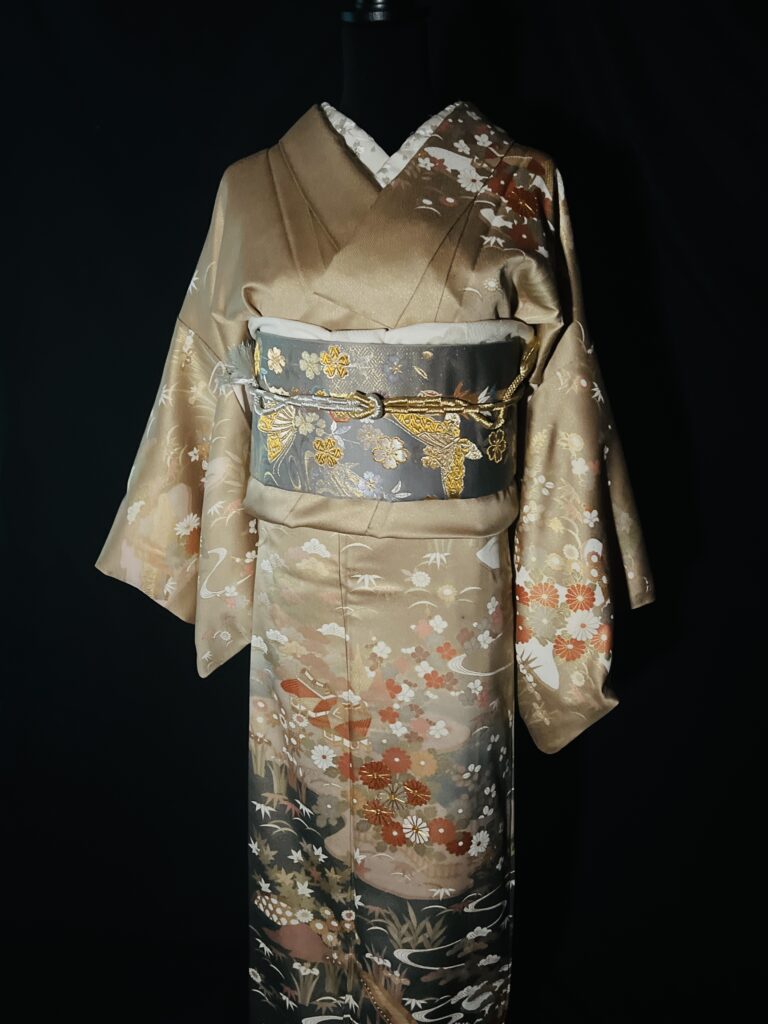
Formal Kimono
Formal kimono are worn for important occasions.
These garments often feature:
- elegant patterns
- refined dyeing techniques
- carefully chosen fabrics
Examples of formal kimono include:
Furisode
Long-sleeved kimono traditionally worn by young unmarried women for celebrations.
Houmongi
A semi-formal kimono often worn for visits, gatherings, or cultural events.
Tomesode
A highly formal kimono typically worn by married women at ceremonies.
These kimono emphasize elegance and occasion.
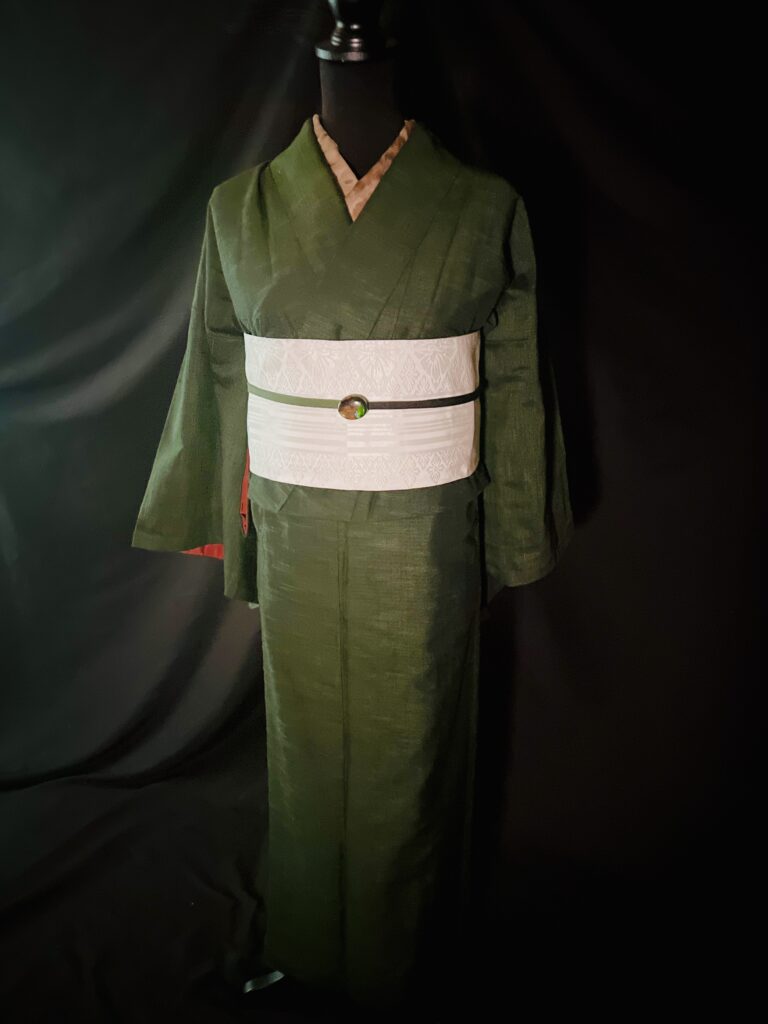
Casual Kimono
Casual kimono are more relaxed and suitable for everyday outings.
They may have simpler patterns and are easier to coordinate.
Examples include:
Komon
A kimono with repeating patterns, often worn for casual outings.
Tsumugi
A woven kimono known for its natural and understated beauty.
These kimono allow people to enjoy traditional clothing in a comfortable way.
A Simple Way to Think About It
If you are new to kimono, you can remember it like this:
Formal kimono → ceremonies and important events
Casual kimono → everyday outings and relaxed occasions
Understanding this basic structure makes kimono culture much easier to explore.
A Cultural Note
While these categories exist, kimono culture has become more flexible today.
Many people enjoy kimono in their own way while still respecting tradition.
Learning the basics is simply a helpful starting point.
Related Articles
- Kimono Symbolism: Butterfly and Hemp Leaf Pattern Meanings
- What Is an Obi? A Simple Guide to the Kimono Belt
- Kimono Fabrics: What Are Kimono Made Of?
- Can Anyone Wear a Kimono? A Simple Cultural Guide
- Kimono Seasonal Motifs: Cherry Blossoms and Maple Leaves Meaning
- Kimono Colors Meaning: What Do Colors Represent in Kimono?
Explore the Grandmother’s Kimono Archive
Learn more About alo


コメント