Kimono Seasonal Motifs: Cherry Blossoms and Maple Leaves Meaning
Kimono designs often reflect the beauty of the seasons. Among the most iconic motifs are cherry blossoms and maple leaves, both deeply connected to Japanese culture and nature.
Why Seasons Matter in Kimono
In Japan, wearing seasonal patterns is an important aesthetic value. Kimono are chosen not only for style, but also to reflect harmony with nature.
Seasonal motifs express awareness, sensitivity, and appreciation of time.
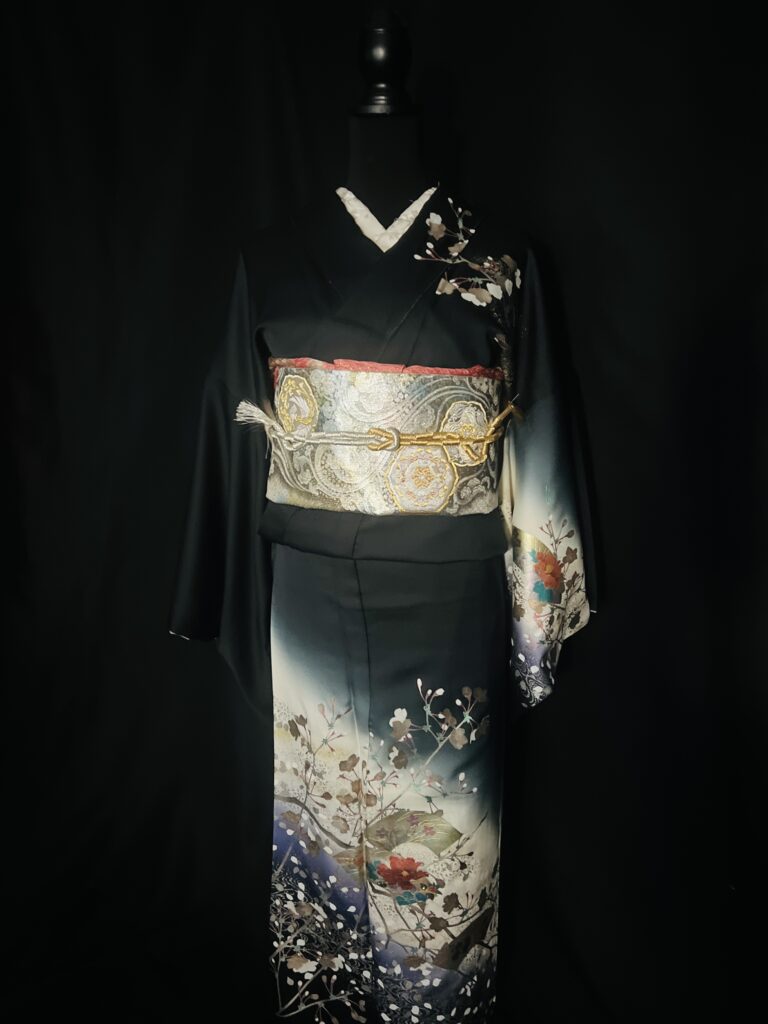
Cherry Blossoms (Sakura)
Cherry blossoms symbolize the beauty and impermanence of life.
Because they bloom for only a short time, they represent fleeting moments and the importance of living in the present.
They are commonly worn in spring and are one of the most recognized symbols of Japan.
Maple Leaves (Momiji)
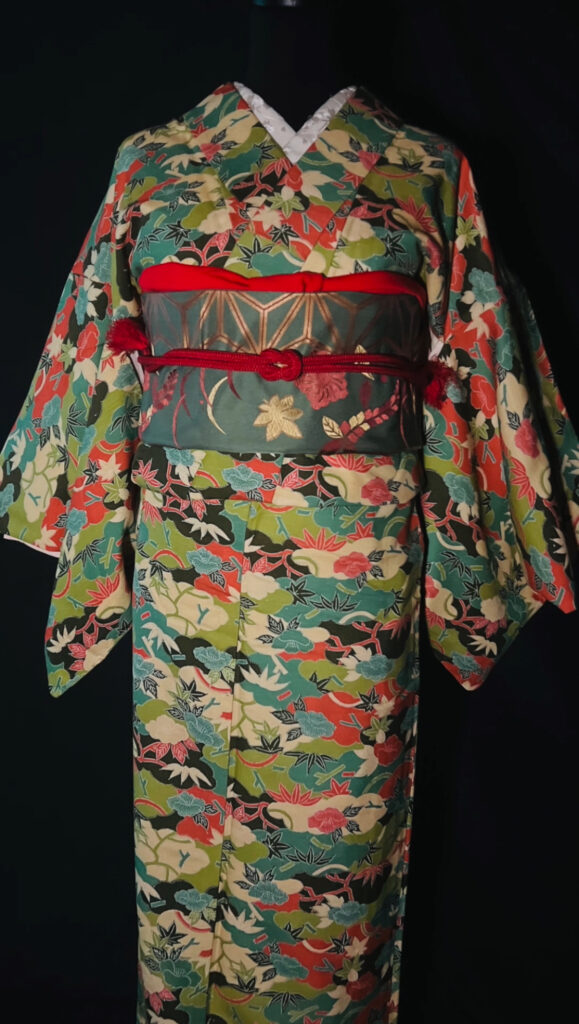
Maple leaves represent the beauty of change and the arrival of autumn.
Their deep red color symbolizes maturity, transformation, and the passage of time.
They are often used in autumn kimono designs.
The Meaning of Seasonal Motifs
Both cherry blossoms and maple leaves reflect:
- Awareness of time passing
- Appreciation of nature
- Emotional connection to seasons
These ideas are central to Japanese aesthetics.
Cultural Perspective
Seasonal motifs in kimono are not random decorations. They represent a way of living that values subtle changes in nature.
Understanding this adds depth to how we see kimono.
Related Articles
- Kimono Symbolism: Butterfly and Hemp Leaf Pattern Meanings
- What Is an Obi? A Simple Guide to the Kimono Belt
- Kimono Fabrics: What Are Kimono Made Of?
- Can Anyone Wear a Kimono? A Simple Cultural Guide
- Kimono Seasonal Motifs: Cherry Blossoms and Maple Leaves Meaning
- Kimono Colors Meaning: What Do Colors Represent in Kimono?
Explore the Grandmother’s Kimono Archive
Learn more About alo
コメント