Introduction
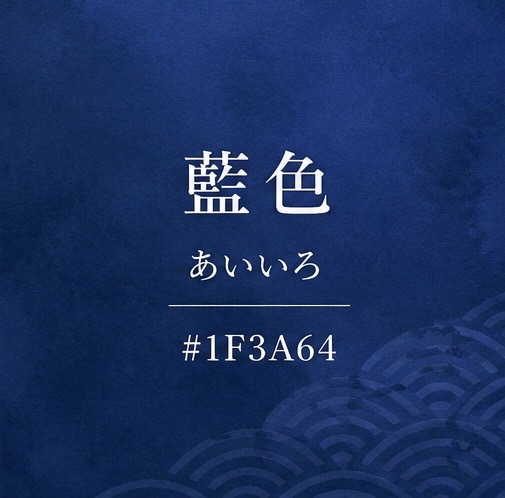
Among Japan’s many traditional colors, Ai-iro (藍色) is one of the most iconic.
Known internationally as Japan Blue, this deep indigo color has been admired for centuries in kimono, textiles, and traditional crafts. Its timeless beauty reflects Japan’s close relationship with nature and skilled craftsmanship.
What Is Ai-iro?
Ai-iro is a traditional Japanese indigo-blue color created through Aizome (indigo dyeing).
Made from natural indigo plants, the color ranges from soft blue to deep navy depending on the number of dyeing processes.
Its rich, calming appearance has made it one of Japan’s most beloved traditional colors.
Why Is It Called “Japan Blue”?
During the late 19th century, visitors from overseas were impressed by the deep blue colors commonly seen throughout Japan.
Kimono, workwear, noren curtains, and other everyday textiles were often dyed with indigo.
Because of its strong association with Japanese culture, the color became widely known around the world as Japan Blue.
Ai-iro in Japanese Culture
For generations, Ai-iro has represented harmony, simplicity, and craftsmanship.
Unlike bright artificial colors, natural indigo develops rich depth through repeated dyeing, making every piece slightly unique.
Its quiet elegance perfectly reflects the Japanese appreciation for subtle beauty.
Ai-iro and Kimono
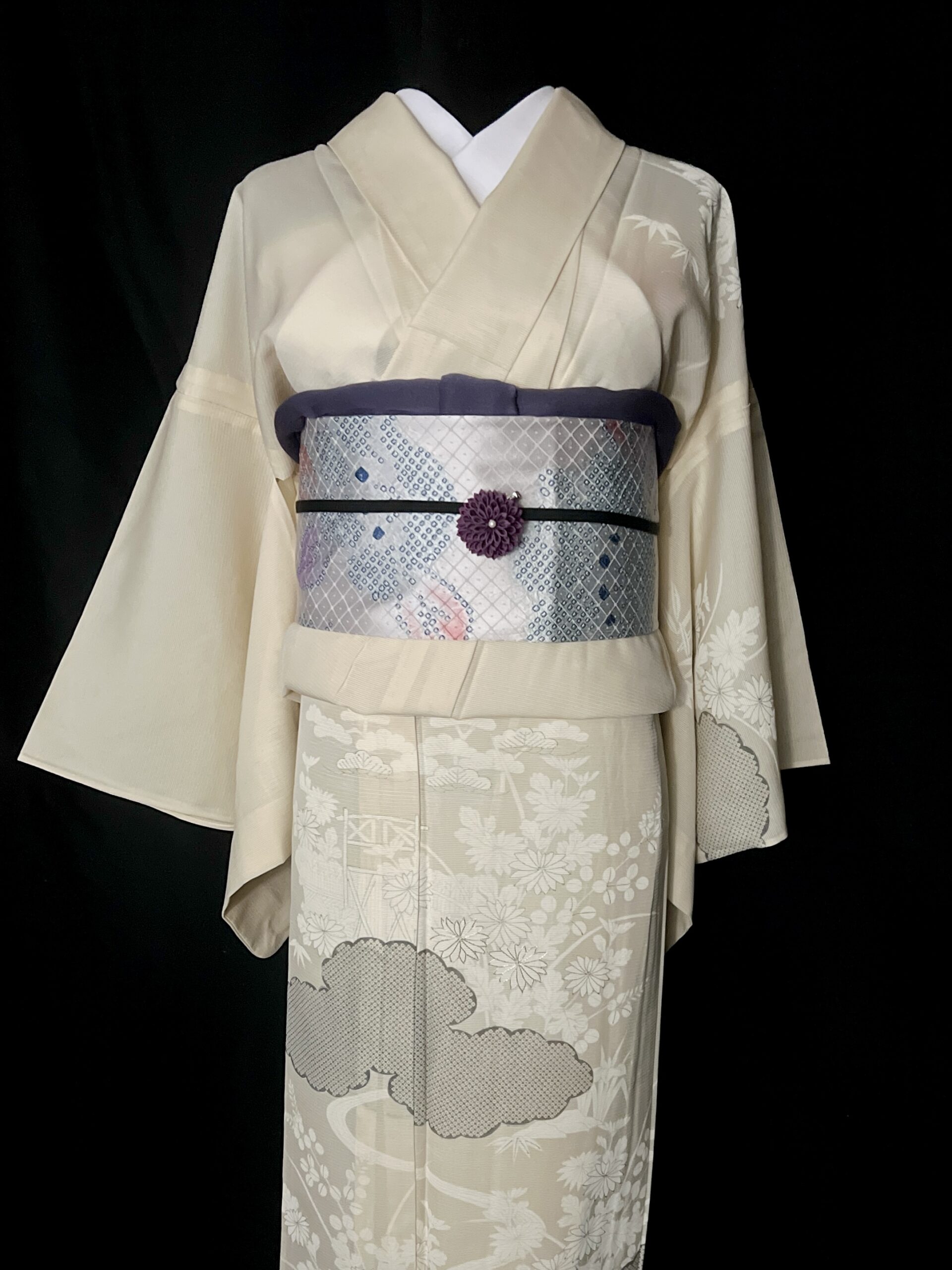
Ai-iro remains one of the most popular colors in kimono today.
Its deep blue tone creates an elegant appearance suitable for both casual and formal occasions.
Because it pairs beautifully with seasonal motifs and traditional patterns, Ai-iro continues to be loved across generations.
Conclusion
Ai-iro is more than a traditional Japanese color.
It represents centuries of indigo dyeing, craftsmanship, and Japan’s respect for nature.
Learning about Ai-iro helps us understand that kimono are not simply garments—they are expressions of Japanese history, artistry, and cultural identity.
Related Articles
- Kimono Symbolism: Butterfly and Hemp Leaf Pattern Meanings
- What Is an Obi? A Simple Guide to the Kimono Belt
- Kimono Fabrics: What Are Kimono Made Of?
- Can Anyone Wear a Kimono? A Simple Cultural Guide
- Kimono Seasonal Motifs: Cherry Blossoms and Maple Leaves Meaning
- Kimono Colors Meaning: What Do Colors Represent in Kimono?
- What Is Tsumugi?
Explore the Grandmother’s Kimono Archive
Learn more About alo
コメント