Introduction
When looking through my grandmother’s kimono collection, I often feel that her summer garments carried not only beauty, but also the atmosphere of everyday Japanese life.
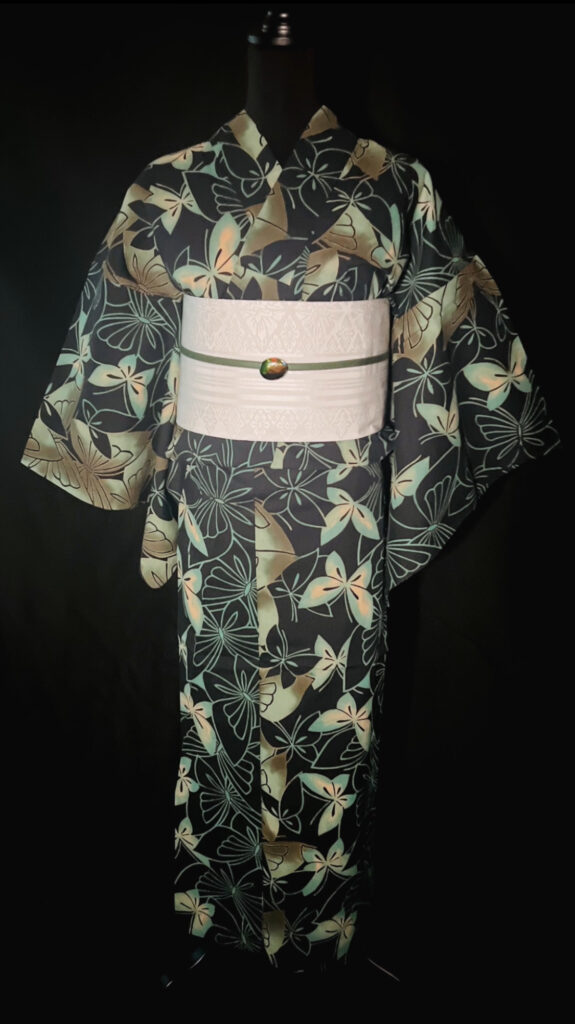
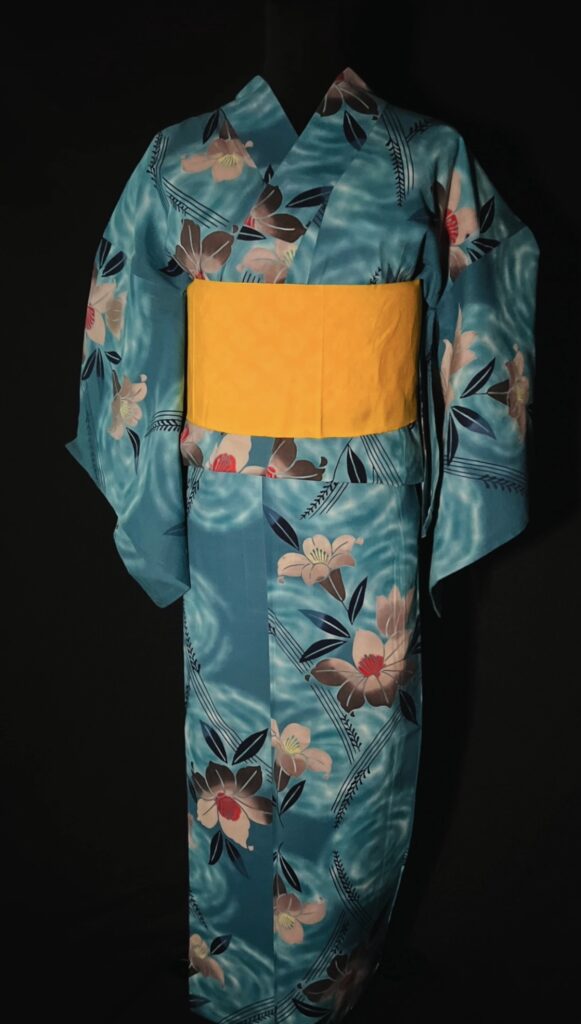
My grandmother bought yukata for my mother and aunt to wear during summer.
Meanwhile, she herself wore elegant summer kimono while working at her restaurant.
Although both are part of Japanese summer clothing culture, yukata and summer kimono seemed to hold very different roles and meanings.
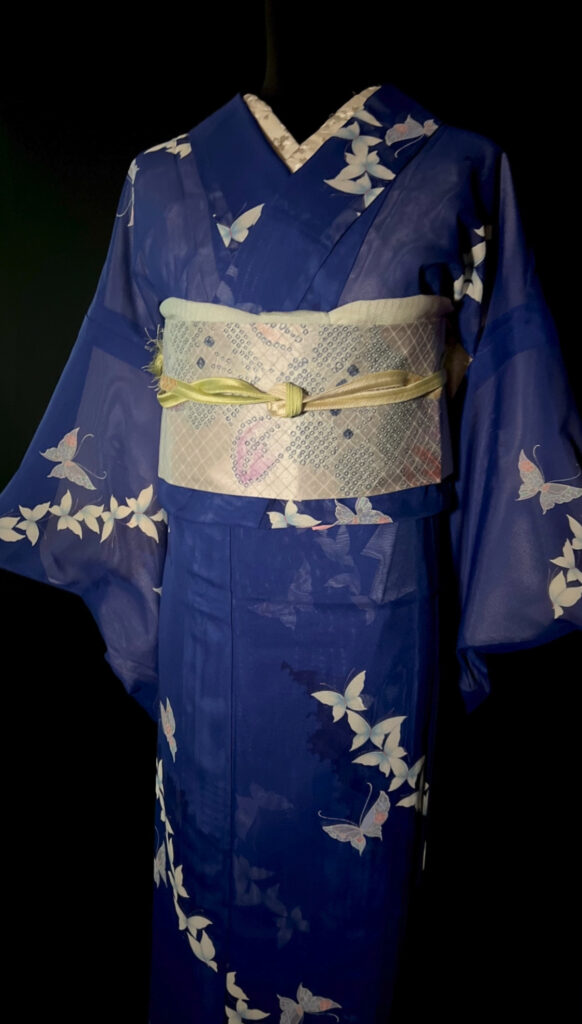
One detail that especially stands out throughout her summer garments is the butterfly motif — a pattern she clearly loved.
In this article, I would like to share the beauty of Japanese summer culture through my grandmother’s yukata, summer kimono, and the memories connected to them.
What You’ll Learn
- The difference between yukata and summer kimono
- How kimono were once part of everyday summer life
- The meaning of butterfly motifs
- The atmosphere of traditional Japanese summers
- alo’s perspective on Japanese summer aesthetics
Yukata as Part of Family Summer Memories
My grandmother used to prepare yukata for my mother and aunt to wear during summer.
According to my mother, when she was still a student, she sometimes wore yukata while visiting my grandmother’s workplace during the summer season.
Today, yukata are often associated mainly with festivals or special events.
But hearing these stories makes me feel that yukata once existed much more naturally within everyday Japanese summer life.
They were not only seasonal fashion, but part of family memories and ordinary summer moments.
My Grandmother’s Summer Kimono
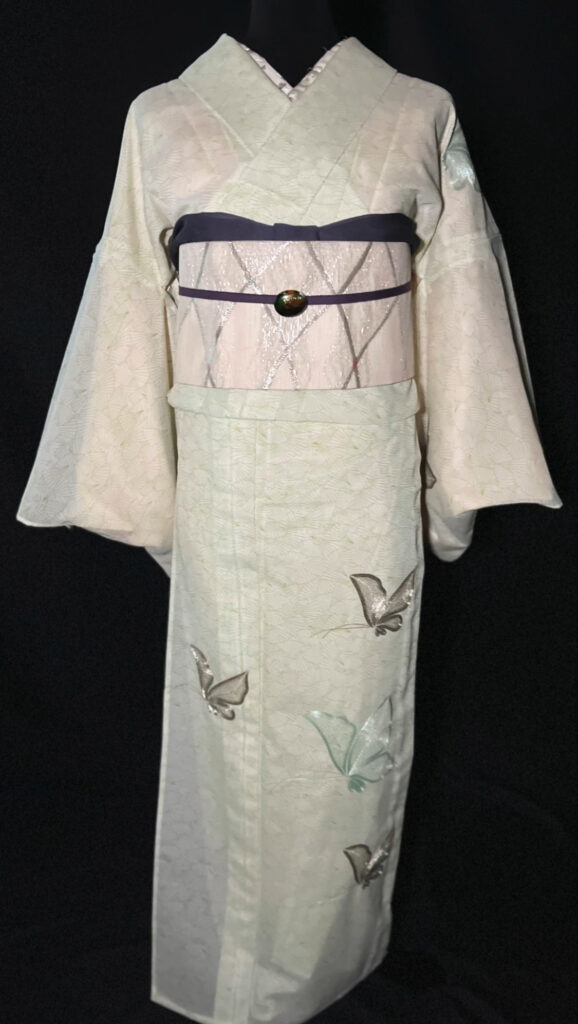
While my mother and aunt wore yukata, my grandmother herself wore refined summer kimono while working.
As an okami (traditional hostess/manager), she may have chosen garments that expressed elegance, calmness, and seasonal awareness rather than casual comfort alone.
Even within summer clothing, yukata and summer kimono carried different atmospheres and purposes.
The Butterfly Motif She Loved
One of the most noticeable motifs in my grandmother’s summer garments is the butterfly.
Butterflies feel light, graceful, and quietly elegant.
Although my grandmother loved beautiful and sometimes glamorous kimono, her taste also seemed to value refinement and subtle sophistication.
Looking at the butterfly motifs remaining in her summer kimono and yukata, I can still feel traces of her personal aesthetics and sense of beauty.
A Time When Kimono Were Part of Everyday Life
Today, kimono and yukata are often seen as clothing for special occasions.
But through my grandmother’s archive and my mother’s memories, I feel that Japanese summer clothing once existed much more naturally within daily life.
People wore yukata in the summer.
Seasonal clothing was part of ordinary routines.
These garments quietly preserved the atmosphere of Japanese summers.
alo’s Perspective on Japanese Summer Clothing
When I look at my grandmother’s summer kimono and yukata, I feel that they preserve more than fabric alone.
They also carry memories of family, work, seasons, and human relationships.
The yukata she prepared for her family.
The summer kimono she wore while working.
The butterfly motifs she loved.
Together, they feel like small pieces of Japanese summer culture that still remain today.
Fixed Footer
Kimono rules and formality have become much more flexible in modern times compared to the past.
Today, rather than focusing on strict perfection, many people value thoughtfulness, elegance, and harmony with the occasion.
When unsure, choosing something refined and respectful is often the best guide.
Related Articles
- Kimono Symbolism: Butterfly and Hemp Leaf Pattern Meanings
- What Is an Obi? A Simple Guide to the Kimono Belt
- Kimono Fabrics: What Are Kimono Made Of?
- Can Anyone Wear a Kimono? A Simple Cultural Guide
- Kimono Seasonal Motifs: Cherry Blossoms and Maple Leaves Meaning
- Kimono Colors Meaning: What Do Colors Represent in Kimono?
Explore the Grandmother’s Kimono Archive
Learn more About alo
コメント