Introduction
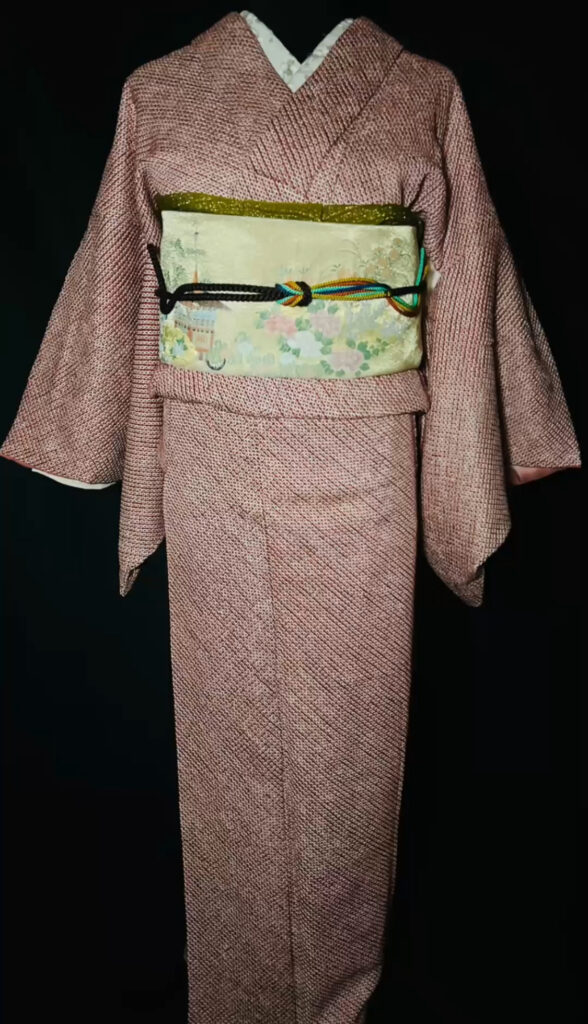
Soshibori, or full shibori kimono, have a beauty that becomes even more impressive the closer you look.
The soft texture, the countless tiny raised patterns, and the depth created entirely by hand all give soshibori a unique presence that machines cannot easily reproduce.
Today, soshibori kimono are becoming increasingly rare due to the aging of artisans and the decline of traditional craftsmanship in Japan.
My grandmother also owned several soshibori kimono.
I was told that during her years working as an okami (traditional hostess/manager), she loved elegant and glamorous kimono. However, in situations where she wanted to respectfully support the head chef rather than stand out herself, she often chose soshibori instead of brightly decorated kimono with gold accents.
They were refined, graceful, and quietly luxurious.
Not flashy at first glance, but deeply impressive to those who understood the craftsmanship behind them.
That quiet elegance may be one of the true charms of soshibori.
What You’ll Learn in This Article
- What soshibori means
- Why full shibori kimono are rare
- The craftsmanship behind soshibori
- Why these kimono are highly valued
- The connection between soshibori and Japanese aesthetics
- Why preserving these traditions matters today
What Is Soshibori?
Soshibori refers to kimono made using full shibori dyeing techniques across the entire fabric.
Shibori is a traditional Japanese dyeing method where fabric is tightly bound with thread before dyeing, creating patterns by preventing dye from reaching certain areas.
In soshibori, this process is repeated across the entire kimono.
The result is a fabric with rich texture, softness, and a beautiful three-dimensional appearance.
Why Is Soshibori So Rare?
Soshibori requires an extraordinary amount of time and skill.
Artisans carefully tie thousands of tiny sections of fabric by hand. Creating evenly sized patterns requires years of experience and precision.
Because the work is so demanding, soshibori kimono have always been considered special.
Today, they are becoming even rarer due to:
- Aging artisans
- Fewer younger craftspeople entering the field
- The long production time required
As a result, authentic soshibori kimono are increasingly valuable cultural pieces.
Quiet Beauty Instead of Flashiness
One of the most beautiful aspects of soshibori is that its elegance is subtle.
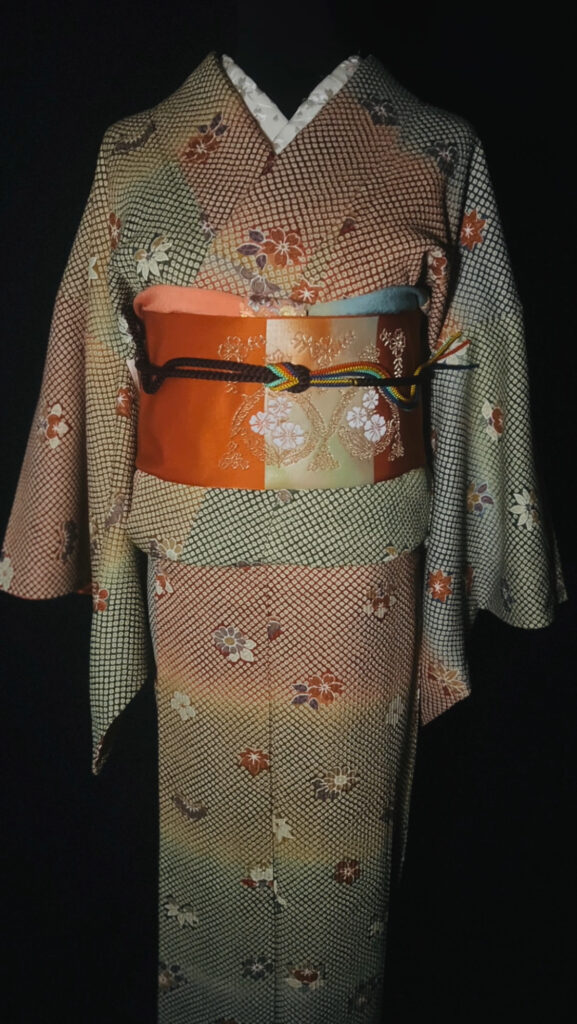
Unlike heavily decorated kimono with gold leaf or embroidery, soshibori creates beauty through texture, depth, and craftsmanship.
It is not about loudly standing out.
Instead, it carries the kind of refinement that people notice more deeply the closer they look.
This quiet sophistication reflects an important part of Japanese aesthetics.
The Kimono My Grandmother Chose
My grandmother loved beautiful kimono, especially elegant and refined styles.
But when working as an okami, she sometimes chose soshibori kimono specifically because they were graceful without overpowering the atmosphere.
Rather than wearing highly decorative designs, she preferred kimono that felt dignified and understated while still showing exceptional quality.
I feel that this reflects a very Japanese sense of beauty:
quiet elegance instead of obvious luxury.
The Beauty of “Understated Excellence”
Soshibori kimono are a reminder that true craftsmanship does not always need to be loud.
Some of the most extraordinary beauty exists in details that are only noticed by those who take the time to look closely.
That idea feels deeply connected to Japanese culture and aesthetics.
alo’s Perspective on Soshibori
When I look at my grandmother’s soshibori kimono, I feel that I am not only seeing clothing, but also the craftsmanship, elegance, and cultural values of another generation.
Because fewer artisans can create these works today, preserving and sharing their beauty feels more important than ever.
Fixed Footer
Kimono rules and formalities have become much more flexible in modern times compared to the past.
Today, rather than focusing on strict perfection, many people value thoughtfulness, elegance, and harmony with the occasion.
When unsure, choosing something refined and respectful is often the best guide.
Related Articles
- Kimono Symbolism: Butterfly and Hemp Leaf Pattern Meanings
- What Is an Obi? A Simple Guide to the Kimono Belt
- Kimono Fabrics: What Are Kimono Made Of?
- Can Anyone Wear a Kimono? A Simple Cultural Guide
- Kimono Seasonal Motifs: Cherry Blossoms and Maple Leaves Meaning
- Kimono Colors Meaning: What Do Colors Represent in Kimono?
Explore the Grandmother’s Kimono Archive
Learn more About alo
コメント