Introduction
Many people who first discover kimono are surprised by the price.
Some kimono cost much more than ordinary clothing.
This can lead to a simple question:
Why are kimono so expensive?
The answer is not only about fabric.
Kimono often reflect skilled craftsmanship, time, tradition, and careful making.
This article gently explains why kimono can be expensive and what gives them their value.
What You’ll Learn in This Article
- Why kimono can be expensive
- How craftsmanship affects the price
- The role of fabric, dyeing, and weaving
- Why kimono are different from mass-produced clothing
Kimono Are Not Usually Mass-Produced
Many kimono are made through specialized processes.
Unlike ordinary clothing, kimono may involve:
- hand dyeing
- hand weaving
- detailed embroidery
- traditional finishing techniques
In many cases, several artisans contribute to a single garment.
This alone makes kimono very different from modern fast fashion.
Fabric Matters
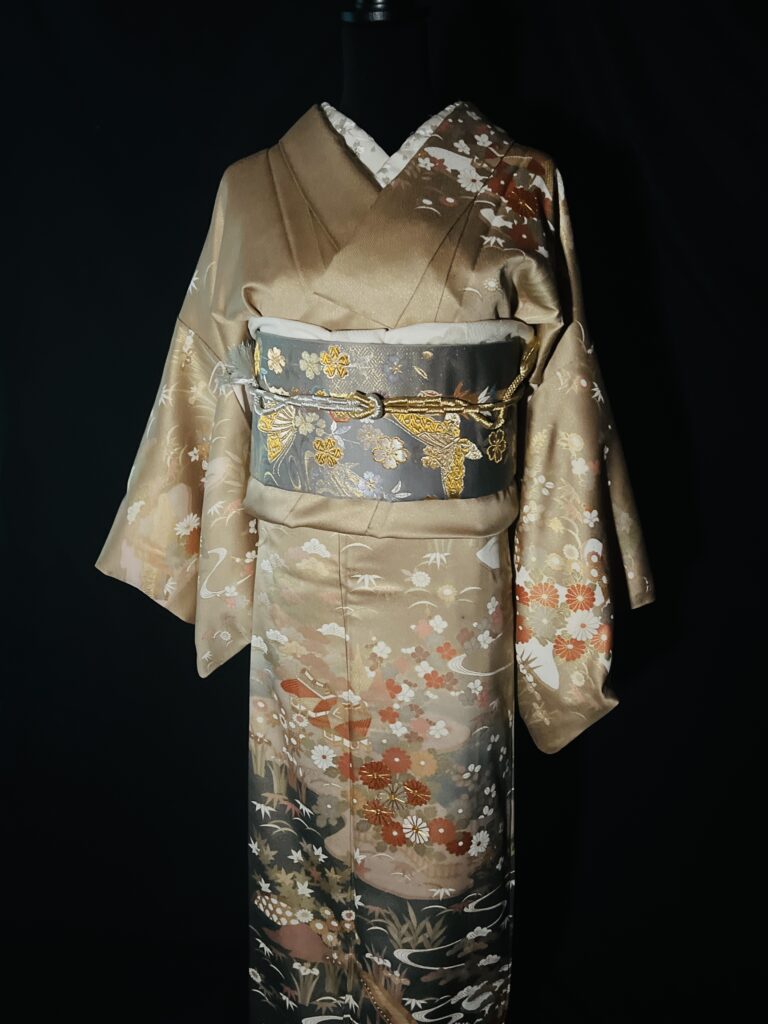
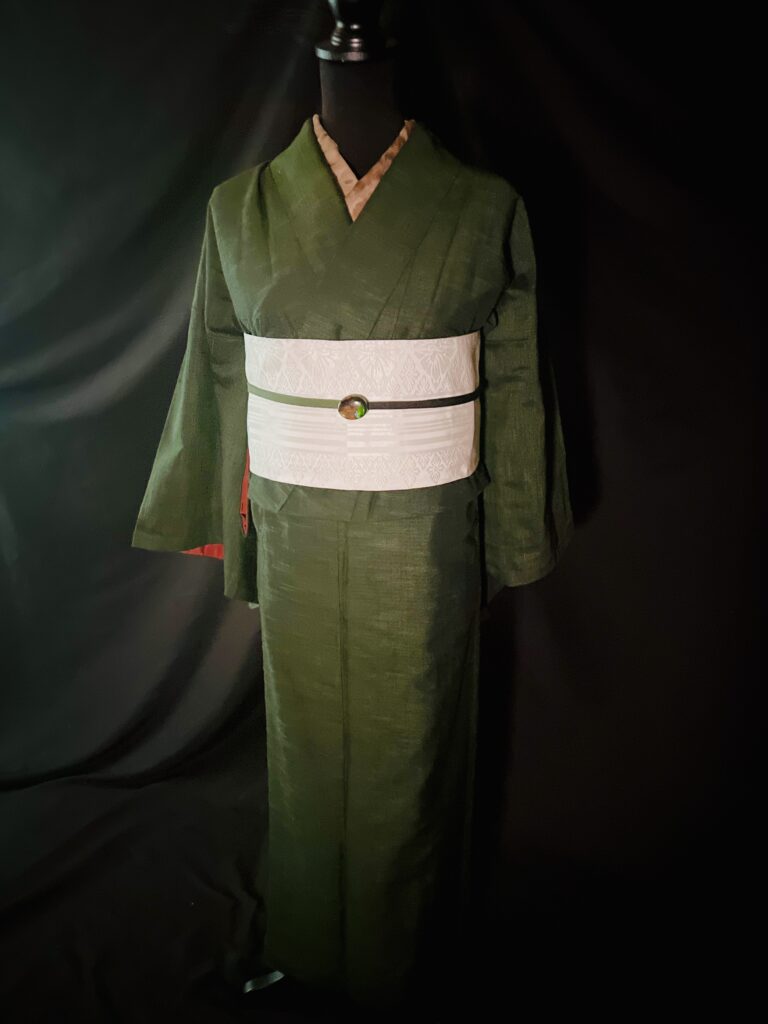
One important reason for the price is the fabric.
Kimono may be made from:
- fine silk
- textured woven materials
- carefully finished traditional fabrics
High-quality fabric affects:
- texture
- shine
- comfort
- durability
The material itself can already represent a large part of the value.
Craftsmanship Takes Time
Kimono are often connected to techniques that require experience and patience.
For example:
- dyeing patterns by hand
- weaving complex designs
- creating seasonal or symbolic motifs
- matching details with precision
These are not quick processes.
The price often reflects time, training, and skilled labor.
Kimono Carry Cultural Value
Kimono are not only garments.
They also carry:
- seasonal awareness
- social meaning
- family memory
- cultural history
For this reason, kimono can be understood as both clothing and cultural objects.
Their value is not only practical, but also artistic and cultural.
A Personal Perspective
The kimono I inherited from my grandmother remind me that value is not always easy to measure.
Some garments carry delicate techniques, beautiful fabrics, and a sense of care that belongs to another time.
Looking closely at kimono helps us understand why they are respected, preserved, and passed down.
Conclusion
Kimono can be expensive because they are shaped by material, technique, time, and tradition.
They are not simply clothes to wear.
They often represent craftsmanship and cultural value woven together.
Understanding this can change the way we look at kimono.
Related Articles
- Kimono Symbolism: Butterfly and Hemp Leaf Pattern Meanings
- What Is an Obi? A Simple Guide to the Kimono Belt
- Kimono Fabrics: What Are Kimono Made Of?
- Can Anyone Wear a Kimono? A Simple Cultural Guide
- Kimono Seasonal Motifs: Cherry Blossoms and Maple Leaves Meaning
- Kimono Colors Meaning: What Do Colors Represent in Kimono?
Explore the Grandmother’s Kimono Archive
Learn more About alo

コメント